
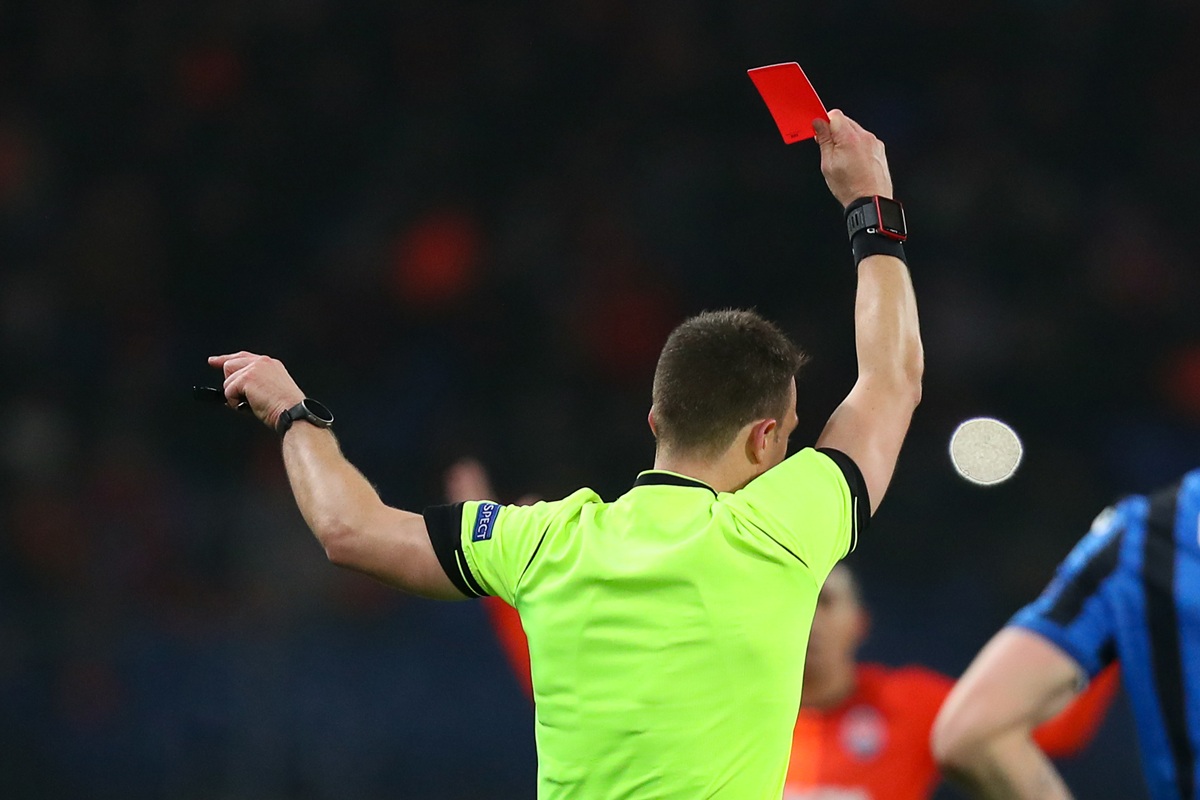
People talk about players’ wages every day. However, many fans also ask a fair question: what is the Premier League referee’s salary?
It matters because the job is hard. Referees make fast calls, manage star players, and work under huge pressure. Also, one mistake can lead the news for days. So, pay becomes part of the wider debate about standards, training, and VAR.
Read this simple breakdown of how referee pay works in England’s top flight. You will also see the reported pay bands, match fees, and the reasons totals can climb well above the base salary. Finally, you will learn what affects earnings and what this means for the future of elite officiating.
Quick answer: the reported Premier League referees salary range
Reports have described Premier League referees as paid professionals with structured pay bands. In one widely shared breakdown, referees are paid at levels of about £73,191, £105,257, or £147,258 a year, depending on role, experience, and standing within the group. The same reporting also points to match fees of about £1,116 per game, plus a separate rate of about £837 when a referee works as the VAR.
At the same time, other reports based on figures shared with clubs have described a base salary range of about £72,000 to £148,000, with match fees and performance bonuses on top.
In other words, when you search for Premier League referees’ salaries, you should think of a package. The base pay matters, but match appointments and extra duties can push the final number higher.
Why “salary” is only part of the story
Many fans picture a referee earning one fixed wage. In reality, elite officiating pay often works more like this:
Base salary (retainer)
This is the dependable yearly pay. It reflects seniority, level, and the fact that referees train all week, not just on matchday.
Match fees
These payments reward each appointment. They also reflect travel, prep, and the responsibility of leading a Premier League game.
Performance elements
Elite sport measures everything. So, it is common for organisations to include bonuses or review-linked pay. Reported figures shared with clubs mention performance bonuses as part of the overall package.
Extra roles
Some officials also work as VARs, fourth officials, or in other support roles. Reported rates have placed VAR match pay at a different level from on-pitch match fees.
Because of this structure, two referees can have different totals in the same season, even if their base salaries look similar.
The pay bands: what the numbers suggest
Let’s make the numbers easier to read.
One breakdown places referees into three main salary bands: roughly £73k, £105k, and £147k. That lines up neatly with a broader reported base range of about £72k to £148k.
So, what creates the gap?
Experience and trust
Officials who handle bigger games tend to sit higher. That is because the league needs its most trusted referees on the toughest fixtures.
Appointments
Even with the same base pay, match fees can separate totals. If a referee takes more Premier League appointments, earnings rise.
VAR and added duties
If a referee spends time at Stockley Park as VAR, the reported VAR rate becomes another building block in the season total.
In short, the Premier League referees salary is not one number. It is a ladder, with extra steps added through matches and roles.
Premier League Referees’ Salary: How much can top referees make in a year?
This is the headline most people search for. Reported figures shared to clubs have put the average Premier League referee salary, including match fees and bonuses, at about £170,000 to £180,000.
That same reporting also suggested the most senior officials could reach around £250,000 a year, based on the overall package.
Those totals matter for context. They do not mean every referee earns the same amount. Instead, they show what is possible when you combine:
- A higher base salary
- Regular match appointments
- Bonuses and review-linked payments
- Extra duties and elite standing
So, when you see a big figure, it usually reflects the full package, not just the base wage.
Match fees and VAR pay: why appointments change the final total
Matchday payments can shift earnings quickly. One breakdown has put Premier League match fees at about £1,116 per game. It also lists VAR pay at about £837 per match.
Even without doing heavy maths, the point is clear. If a referee handles many matches, match fees add up. Also, VAR duties can stack with a busy schedule.
However, the schedule is not endless. The Premier League uses a set group of officials, and they rotate. So, totals still vary by:
- How often does a referee get appointed
- Whether they get big fixtures
- How often do they take VAR roles
- Fitness, form, and availability
That is why two officials in the same year can have very different earnings.
Who employs Premier League match officials?
In England, Professional Game Match Officials Limited (PGMOL) manages elite match officials. The figures shared with clubs described costs carried by PGMOL, including pension and national insurance contributions.
This is important because it shows the true cost is bigger than take-home pay. The reported average cost per referee, including those contributions, has been put at about £240,000.
So, when people argue about spending on referees, the debate often mixes two different ideas:
What a referee earns
What the system costs to run well
Those are linked, but they are not the same.
Why do referees earn so much compared with lower leagues?
Fans often compare Premier League pay with the EFL. The gap can feel huge. Yet the Premier League is a global product, and it carries serious pressure.
Here is why pay rises at the top level:
The speed is different
Premier League matches move fast. So, decision-making must be sharp.
The stakes are higher
One call can affect titles, relegation, and Europe. That can shift club income too.
The spotlight is relentless
Every match is filmed, clipped, and debated. That adds stress.
The workload is year-round
Elite referees train like athletes. They work on fitness, positioning, and decision habits, not only match prep.
Also, the reported figures shared with clubs included a reminder that match fees and bonuses sit on top of base salary. So, the league rewards both seniority and repeated performance.
Do referees earn more from UEFA and FIFA matches?
Some top officials also work in Europe or international football. Reporting tied to the same salary discussion has noted that referees can earn even more through UEFA and FIFA duties.
However, these opportunities do not apply to every referee. UEFA and FIFA appointments tend to go to the strongest performers, often those who already sit near the top of the domestic group.
So, for a small number of referees, the total annual earnings can rise again, beyond what domestic appointments alone would bring.
What about referees working abroad?
This topic grew after concerns about appearances in overseas leagues. Reporting on the salary figures noted restrictions on referees taking charge of matches in certain foreign leagues following controversy.
For fans, that matters because it links pay, outside work, and trust. Even if overseas matches bring extra income, the sport has to protect confidence in the system. Therefore, the rules around outside work can affect the top end of earning potential.
Why the Premier League invests in refereeing
Some people look at the Premier League referees’ salaries and think they are too high. Others think it is too low for the pressure. Either way, the same truth sits underneath: the league needs elite officiating.
Better pay can support that goal in a few ways:
It helps recruitment
More people may commit to refereeing if they see a real career path.
It supports higher standards
When referees work full-time, they can focus on training, review, and development.
It protects integrity
If the pay is strong, the sport reduces the temptation for side income that could raise questions.
It helps retention
The pathway to the top takes years. So, stable pay helps keep talent in the system.
Still, money alone does not fix decisions. So, the Premier League also invests in coaching, review systems, and VAR processes.
What factors can change a referee’s earnings season to season?
Even at the top level, pay can move. Here are the common reasons:
Number of match appointments
More matches generally mean more match fees and a higher annual total.
VAR appointments
If a referee takes on more VAR roles, the reported VAR rate becomes a larger share of the season total.
Standing in the group
The pay bands suggest a ladder. So, moving up a level can raise base salary.
Fitness and availability
Injuries can reduce match appointments. Also, officials may miss games for health or personal reasons.
Performance reviews
While the details are not always public, reported figures include performance bonuses as part of the package.
So, when you search Premier League referees’ salaries, remember it is both structured and flexible.
Is the Premier League referee’s salary “worth it”?
This question is emotional, so the answer depends on what you value.
If you focus on responsibility, the case is strong. Referees control the game, apply the laws, and manage player safety. Also, the pressure is constant.
If you focus on public mistakes, you may feel the pay should be more closely tied to performance. That is why transparency matters. When fans understand the pay structure, debates become fairer and more informed.
Either way, the most useful view is practical: The Premier League needs enough elite referees, and it needs them to be well-trained, well-supported, and fully committed. Pay is one part of that puzzle.
FAQs about Premier League referees’ salaries
How much is the base Premier League referee’s salary?
Reported figures indicate base salaries ranging from about £72,000 to £148,000, depending on experience and seniority.
How much do referees earn per match?
One widely shared breakdown has put match fees at about £1,116 per Premier League game.
Do VAR officials get paid extra?
Yes. The same reporting lists a VAR rate of about £837 per match.
How much can top referees earn in total?
Reporting based on figures shared to clubs has placed the average annual package at around £170,000 to £180,000, with top officials at around £250,000.
Final takeaway: what to remember about Premier League referees’ salaries
The Premier League referees’ salary is best seen as a package, not a single wage.
Reports point to pay bands around £73k, £105k, and £147k, plus match fees and VAR rates. Meanwhile, figures shared with clubs describe a base range of about £72k to £148k, and an average overall package of around £170k to £180k, with top officials at around £250k.
So, if you want the cleanest summary, it is this: Base salary sets the floor, but appointments and added duties build the final number.