
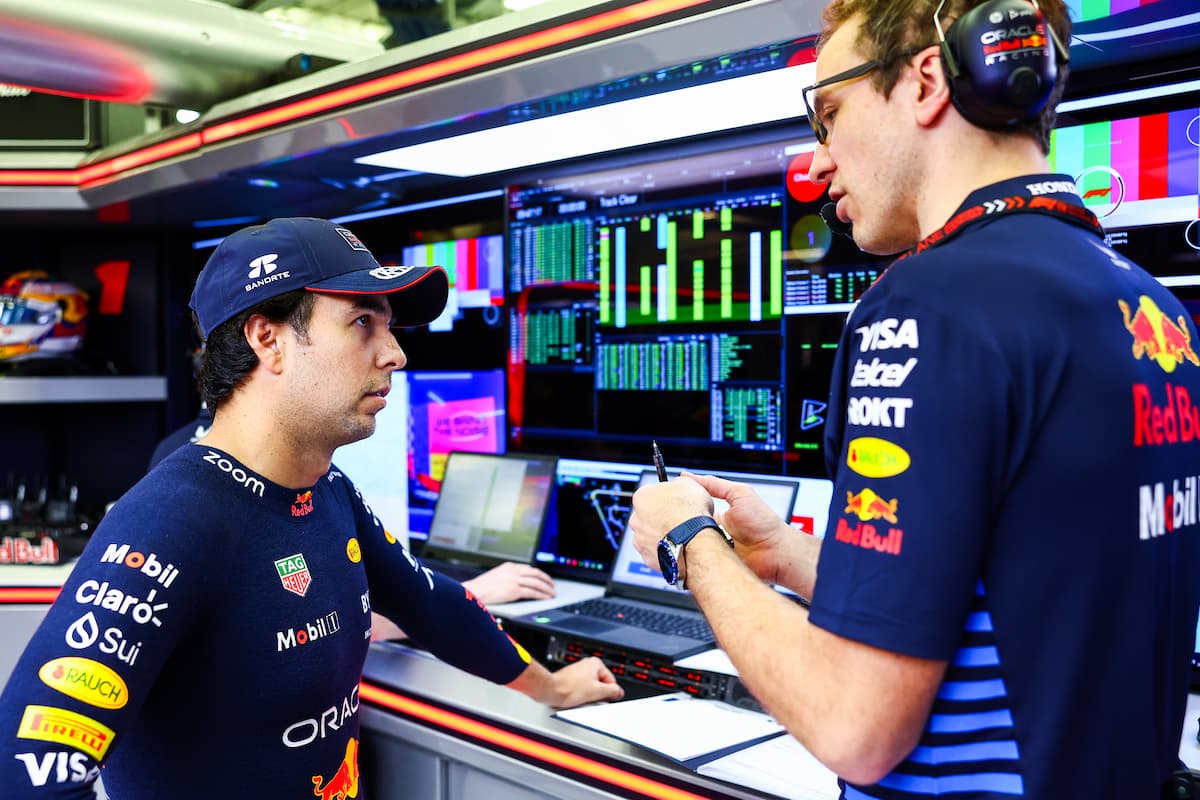
During a Formula 1 Grand Prix weekend we do not see what goes into improving a Formula 1 car. The answer points to a single word; data. On the track, drivers harness the data extracted from their practice laps, qualifying and race pace.
Teams use the telemetry data to help fine-tune the car setup to the drivers’ expectations and for the team to monitor more internal components that the driver cannot initially predict. So let us explore what the drivers look at and where the data come from.
Internal Sensory Data
The data is collected by over 300 sensors ranging from the engine and oil temperatures to tyre and brake pressures relayed back to the team of engineers behind the scenes. And more often than not teams know before the driver that there is a problem with the car.
A perfect iteration of the team warning the driver is in 2012 when Sebastian Vettel, advised by his engineer that his engine was failing and then urged to stop the car as the matter spontaneously worsened. The drivers use the data to help fine-tune their techniques on how teams can improve by reviewing their fastest lap on their teammates.
External Sensory Data
Most external technology that captures real-time data is widely known to the Formula 1 community. One of the most common features used is the Keil Probes, mounted on the body of the car. What is their use? In Friday practice we see a metal shroud that is mounted on key areas of the car.
This is to measure the pressure of the airflow passing through the car. Based on data from these arrays, the teams use controlled simulation tools to assess air pressure around sensitive areas.
To change the airflow characteristics over the car during practice sessions, teams have the option of either adjusting the angle of the front wing or trying an entirely new wing to try and get as close as possible to the values set by the simulation.
Non-Technical Data
The majority of the data that is extracted from the car is electronic. However, there is also one that visually identifies the airflow travelling across the car, Flow Vis Paint. Formula 1 cars use flow-vis paint during preseason testing or free practice to decorate their body parts.
Preparing for drivers to go out on track, the engineers apply paint made from fluorescent powder mixed with paraffin oil to a particular part of the Formula 1 car.
This aerodynamic measurement identifies the performance of a car. As a result of airflow moving across the body as a result of the motion of the paint during high speeds.
Flow lines or dry flow viz paint that remains on the car is a fundamental aspect of collecting data. It helps to provide greater insight into the surface flow of the car and the direction in which the air flows. Thereby clearly visualize the kind of structure that they have. Or would need to improve?
Conclusion
In Formula 1 milliseconds can separate victory from defeat, the role of data becomes not just important but foundational to success. This seamless integration of technology and human expertise exemplifies a future where the line between the physical and the digital blurs, pushing the boundaries of what is possible on the track.
As teams continue to innovate and leverage the power of data, the evolution of Formula 1 remains a testament to the relentless human quest for speed, efficiency, and victory. The insights gained from every lap, every turn, and every burst of speed enrich the sport, making each race not just a competition but a lesson in precision, performance, and the endless potential of data-driven decision-making.
If you would like to learn more news about the world of Formula 1, then why not check out? “Formula 1 Bahrain Qualifying: Max Verstappen on Pole!” or “Night Lights and Tight Fights: Analysing the Bahrain International Circuit”
Image Credit: Red Bull Content Pool