

When Netflix released Formula 1 Drive to Survive in 2019, even long-term motor fans weren’t quite sure what to make of it.
Formula 1 had always been glamorous, technical and thrilling. A behind-the-scenes docuseries promised drama, personality, and access that the sport had never really offered before. Some feared it would cheapen F1. Instead, it cracked it wide open and, in doing so, helped modernise the sport in some genuinely meaningful ways.
Turning a Niche Sport into a Global Story
Before Drive to Survive, Formula 1 struggled in certain markets, especially the United States. The racing was elite, but the barrier to entry was high: complex rules, unfamiliar drivers, and races happening at early hours. Netflix changed the equation by reframing F1 not as a technical competition, but as a human drama.
By focusing on rivalries, underdogs, pressure, and personality, the series made it easy and enjoyable to watch. You didn’t need to understand tyre degradation or DRS zones to feel invested in Daniel Ricciardo’s charm, Günther Steiner’s blunt honesty, or a rookie fighting for his seat. The result was a surge of new fans who came for the storytelling and stayed for the racing.
Today’s packed grandstands in Miami, Austin, and Las Vegas aren’t an accident. They’re a direct consequence of F1 becoming emotionally accessible.
Humanising the Drivers
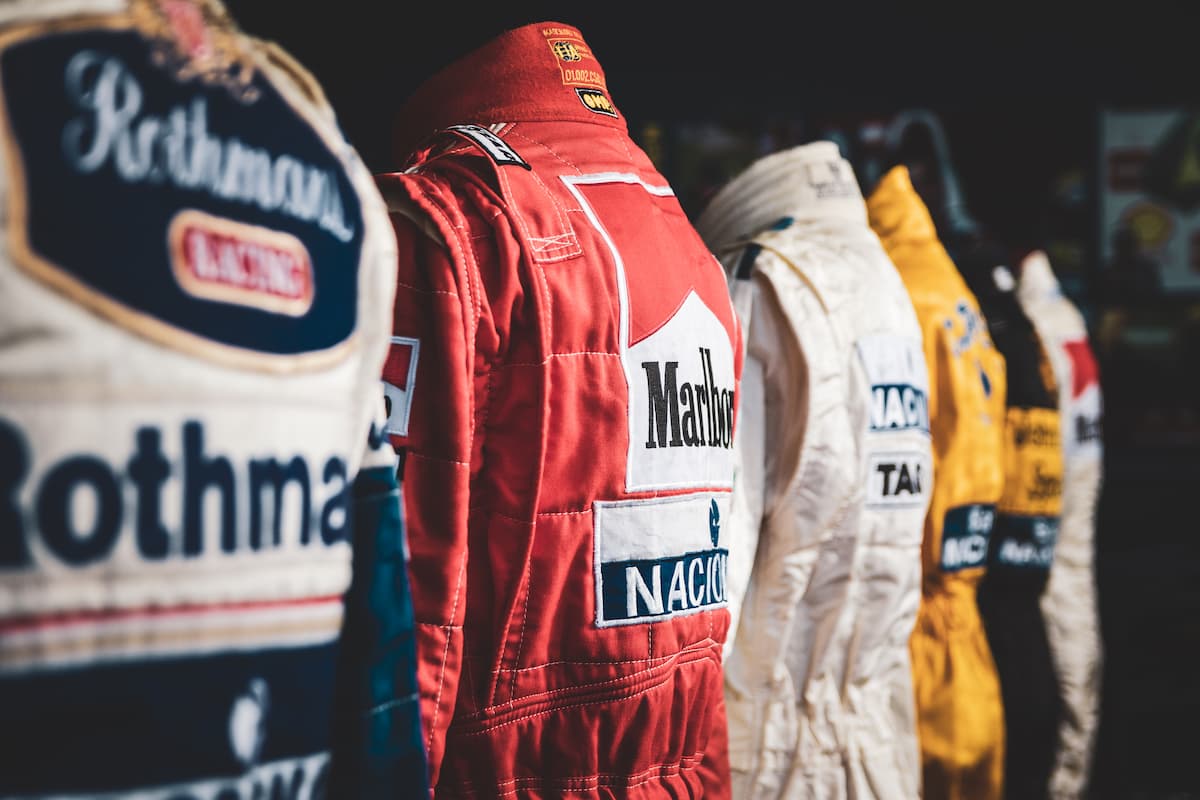
For decades, F1 drivers were distant figures, helmets on, visors down, soundbites carefully managed. Drive to Survive pulled the camera into motorhomes, team offices, and tense post-race debriefs. Suddenly, drivers weren’t just lap times; they were people dealing with fear, ego, ambition, and doubt.
Source: Shutterstock
Seeing someone like Lando Norris wrestle with expectations or Charles Leclerc cope with personal loss gave fans a deeper connection to the grid. That connection matters. It transforms passive viewers into loyal supporters and turns race weekends into emotional investments rather than background noise.
Even criticism of the show, claims of exaggerated rivalries or selective editing, underscores its impact. People argue because they care.
Elevating Team Principals and the Midfield
One of the most underrated impacts of Drive to Survive is its reshaping of attention across the grid. Historically, F1 coverage revolved around the top teams. Netflix flipped that script by spotlighting midfield battles, struggling teams, and leadership dynamics.
Team principals became stars, strategists, politicians, and motivators under immense pressure. Viewers learned that finishing eighth in the constructors’ championship could be a triumph or a disaster depending on context. That nuance enriched how fans watch races. Suddenly, a fight for P12 on track meant something.
This broader focus made Formula 1 feel less predictable and more democratic, even when the championship battle wasn’t close.
Pushing Formula 1 to Modernise
The success of Drive to Survive didn’t just change how fans see F1; it changed how F1 sees itself.
The sport leaned into social media, embraced younger audiences, and rethought its presentation. Drivers became more active online. Teams opened up. Race promotion shifted toward entertainment and experience, not just tradition. Liberty Media, F1’s commercial rights holder, clearly recognised that storytelling is now as important as speed.
Importantly, this modernisation hasn’t erased F1’s heritage. Instead, it’s reframed it. The history still matters, but now it’s told in a way that invites people in rather than keeping them at arm’s length.
Creating a Gateway, not a Replacement
A common criticism is that Drive to Survive prioritises drama over accuracy. That critique isn’t entirely wrong, but it misses the point. The show was never meant to replace coverage of race. It’s a gateway.
For many fans, Drive to Survive was the first step. From there came qualifying sessions, onboard laps, technical breakdowns, and eventually, deep appreciation for the sport’s complexity. In that sense, the series works exactly as intended: it lowers the entry cost, then lets curiosity do the rest.
The Bigger Picture
Formula 1 today is younger, louder, more global, and more culturally relevant than it was a decade ago. While many factors contributed to regulation changes, new markets and social media.
It reminded F1 of something essential: at its core, this sport isn’t just about cars. It’s about people pushing themselves to extremes in pursuit of something impossibly small, tenths of a second, a single point, a chance at glory.
By telling those stories well, Drive to Survive didn’t just change Formula 1. It helped it grow up, open, and move forward. And for a sport built on evolution, that might be the most fitting outcome of all.