
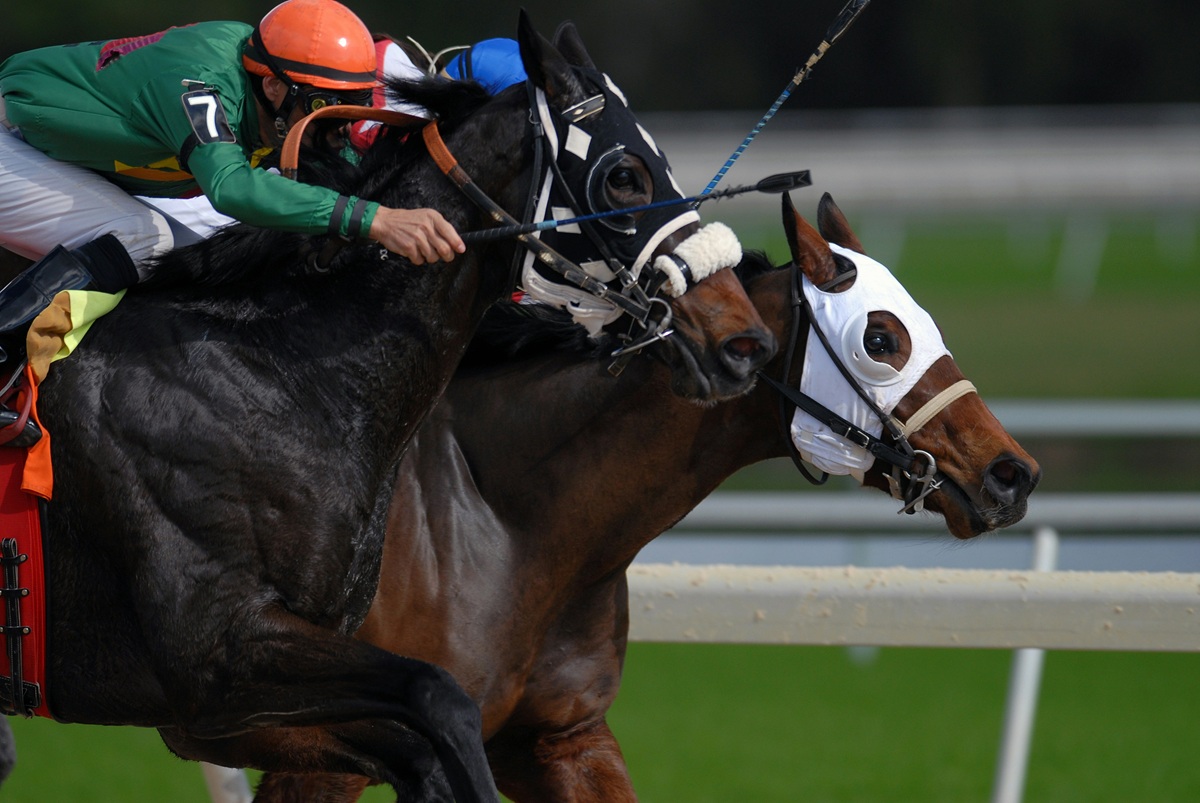
Photo by Jeff Griffith on Unsplash
The San Felipe Stakes takes place on February 28, 2026, at Santa Anita Park in Arcadia, California, marking a key moment on the horse racing calendar. This Grade II, 8.5-furlong dirt race is restricted to three-year-old Thoroughbreds. As part of the Road to the Kentucky Derby, it awards points on a set scale, with 50 points to the winner, which is often enough to secure Derby eligibility.
Historically, the San Felipe Stakes serves as a major prep for both the Santa Anita Derby and the Kentucky Derby, regularly featuring emerging contenders from top stables. For first-time bettors and enthusiasts alike, understanding wagering in this context helps frame the race beyond the headlines, highlighting the structure, rules, and common bet types.
Understanding Win, Place, and Show Bets
Win, place, and show wagers form the foundation of wagering in horse racing and remain the most commonly used bet types for major stakes races. A win bet requires selecting the horse that finishes first. A place bet applies if the selected horse finishes first or second, while a show bet includes a top-three finish. These options allow bettors to engage with a race using different outcome parameters without introducing additional complexity.
In events like the San Felipe Stakes 2026, these wagers help bettors follow how horses perform under graded stakes conditions. Because three-year-olds are still developing, finishing positions can reveal progress in form and competitiveness. These straightforward wagers also help bettors get familiar with program numbers, post positions, and tote board displays. Understanding how these bets function allows participants to focus on race dynamics rather than mechanics, making them a useful starting point for following high-profile prep races.
Exacta, Trifecta, and Daily Double Wagers
Beyond basic bets, horse racing offers multi-horse wagers that focus on predicting the order of finish. An exacta requires selecting the first two finishers in exact order, while a trifecta extends this to the top three. These wagers are common in graded stakes races, where bettors often want to follow how a field sorts itself from start to finish.
Daily doubles link the winners of two consecutive races and are commonly offered on major race days at Santa Anita Park. These wagers require familiarity with multiple fields and race conditions across the card. Bettors sometimes use boxed combinations to include multiple finish orders within a single wager.
While these bets involve more selections, they also provide a structured way to follow multiple outcomes within the same race. Understanding how these wagers are constructed helps bettors engage more deeply with race sequencing and finishing order analysis.
How to Place a Bet and Read the Tote Board
Placing a wager in horse racing follows a consistent process, whether done at the track or through a digital platform. Bettors select the track, race number, wager type, amount, and the program number of their chosen horse or horses. Accuracy is crucial, as wagers are final once submitted. Understanding this process allows bettors to navigate race day with confidence.
The tote board displays current odds, which update continuously until post time. Under the pari-mutuel system, payouts adjust according to how much is wagered on each horse. Favourites carry lower odds, while others carry higher odds, with the board showing will-pays, pool totals, and any changes such as scratches. Learning to read the tote board allows bettors to follow how interest shifts throughout the day without interpreting it as a prediction of race results.
Interpreting Odds, Favourites, and Payouts
Odds in horse racing represent projected payouts based on wagering activity rather than fixed probabilities. For example, odds of 5/1 indicate that a bettor receives five dollars for every dollar wagered, plus the original stake, if the horse finishes first. These figures change until the race begins and reflect collective betting behaviour.
Favourites are horses with the lowest odds, often due to reputation, recent performances, or public attention. However, favourites do not determine outcomes; they indicate how wagering pools are distributed. In prep races like the San Felipe Stakes, odds can shift as bettors respond to workouts, jockey changes, or race-day conditions. Understanding how odds and payouts are calculated helps bettors interpret the numbers without reading them as predictions. This clarity allows participants to focus on the race itself rather than on pricing assumptions.
Aligning Bet Types With Race Structure
Each horse racing event presents a distinct structure based on field size, distance, and competitive context. The San Felipe Stakes features developing three-year-olds competing for Derby points, which can influence how races unfold. Some horses may focus on positioning, while others demonstrate early speed or closing ability.
Bettors often select wager types based on how they expect the race to unfold rather than on the race’s outcomes. For example, finishing order bets align with interest in how the field separates, while basic wagers follow individual horses through the wire. Studying past performances, pace scenarios, and post positions helps bettors understand potential race flow. Aligning wager types with race structure allows for a more straightforward, more organised way to follow the event, especially in a historically significant prep race.
A Clear Framework for Following a Major Prep Race
The San Felipe Stakes offers more than a stepping stone on the Derby trail; it provides a structured environment for understanding how graded-stakes wagering works. By learning common bet types, reading odds, and understanding race setup, bettors engage with the event in an informed and measured way.
This preparation enhances appreciation for the race’s place in the broader picture of the Triple Crown. Whether watching from Santa Anita Park or following remotely, a solid grasp of betting basics helps fans focus on the competition, progression, and performance. As the horses break from the gate on February 28, the San Felipe Stakes continues its role as one of the most closely followed early tests for the sport’s next generation.
Content reflects information available as of 2026/02/05; subject to change.