
For one club, it is a chance to erase two decades of pain. For the other, it is an opportunity to cement a dynasty that once seemed impossible.
When Arsenal FC face Paris Saint-Germain FC in the UEFA Champions League final in Budapest, Europe will witness far more than a football match. These finals carry the weight of history, ambition, redemption, and legacy.
It is the first time Budapest has hosted a Champions League final, giving Hungary’s capital a chance to showcase itself on football’s grandest club stage. But while the city prepares for a spectacle, both clubs arrive carrying very different emotional baggage.
For Arsenal, this is their first Champions League final since their heartbreaking 2006 defeat to FC Barcelona in Paris. Gunners’ fans still remember that painful night vividly—Jens Lehmann’s red card, Sol Campbell’s goal, and Samuel Eto’o and Juliano Belletti breaking North London hearts late in the game.
A Defeat That Lingered for Years.
Arsenal spent much of the next decade battling financial limitations after moving to the Emirates Stadium. They remained competitive domestically but consistently fell short in Europe, often exiting in the round of 16. The club watched rivals like Chelsea F.C. and Manchester City FC lift the trophy they desperately craved.
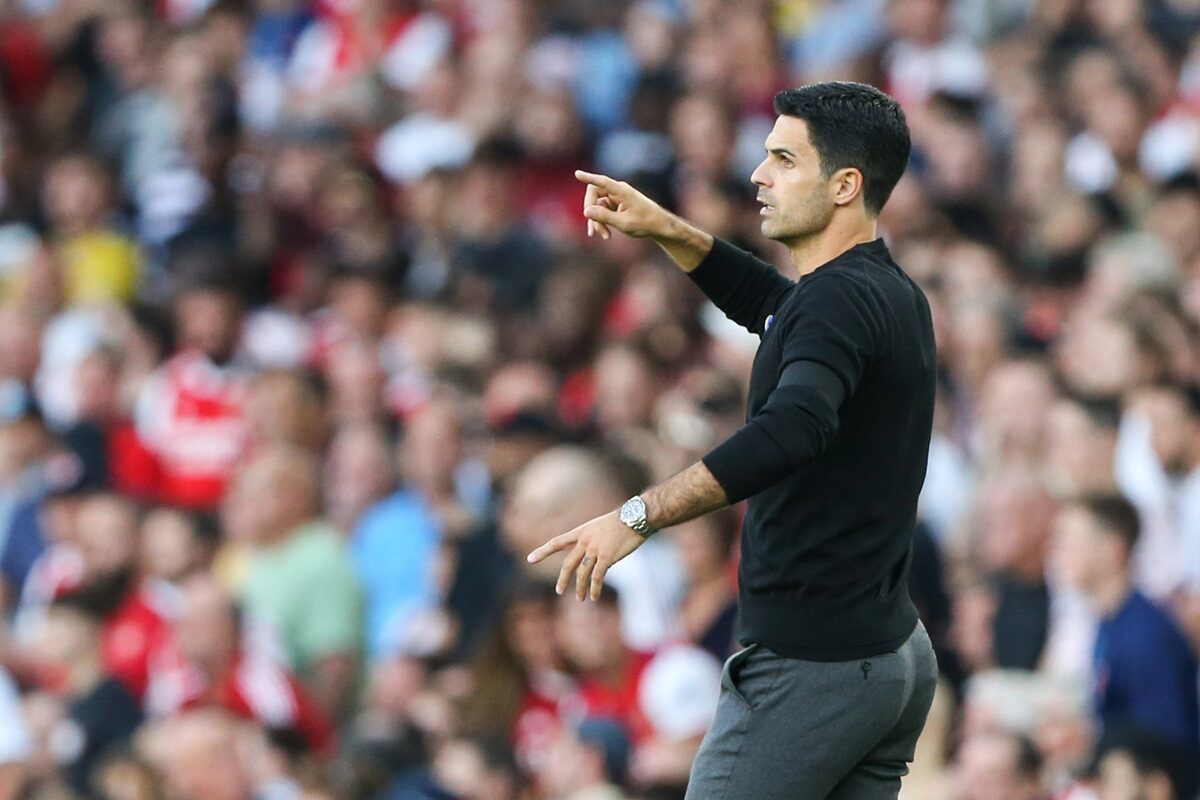
Now, under Mikel Arteta, Arsenal has rebuilt itself into a genuine European heavyweight.
Arteta inherited a fractured squad and transformed it into one of Europe’s most disciplined and exciting teams. Their run to Budapest has reflected resilience, tactical maturity, and attacking brilliance.
Even more impressive is Arsenal’s domestic campaign. The Gunners sit five points clear of Manchester City FC in the Premier League title race, although they have played one game more. That reality adds another layer of pressure.
Win in Budapest and Arsenal move one step closer to a historic double. Lose—and questions about fatigue, squad depth, and missed opportunities could dominate the summer. For PSG, however, this final represents something even greater. Paris Saint-Germain FC are back in the Champions League final for a second consecutive year—and this time they arrive as reigning European champions.
For years, PSG was mocked as football’s ultimate underachievers. Despite massive spending and superstar signings involving players like Lionel Messi, Neymar Jr., and Kylian Mbappé, they repeatedly collapsed in Europe’s biggest moments. Those failures created the “nearly club” label. Then everything changed. Last season’s triumph finally delivered the trophy that Qatari ownership had chased for over a decade. Now PSG stands on the brink of history.
Since the competition was rebranded in 1992 as the UEFA Champions League, only Real Madrid C.F. have successfully defended the title in the modern era. Their legendary three-peat under Zinedine Zidane remains one of football’s greatest achievements. PSG now has the chance to join that exclusive conversation. That possibility alone makes this final monumental.
The Parisians have also maintained domestic dominance. They currently sit six points ahead of RC Lens in the Ligue 1 title race while continuing their pursuit of domestic silverware. Unlike previous PSG teams built around superstar glamour, this squad feels more balanced, disciplined, and ruthless.
They know how to win ugly. They know how to manage pressure. And most importantly, they know what it feels like to lift this trophy. That experience may prove crucial against an Arsenal side entering unfamiliar territory. Finals are often decided by mentality rather than tactics.
Arsenal possesses youthful fearlessness mixed with seasoned leadership. Players like Bukayo Saka have become symbols of resilience, while veterans understand the significance of this moment. PSG, meanwhile, carries the confidence of champions.
Their squad understands the brutal emotional swings of knockout football. They’ve survived pressure before and emerged victorious. The tactical battle between Arteta and PSG’s coaching staff will be fascinating.
Arsenal’s aggressive pressing, quick transitions, and fluid midfield movement could overwhelm PSG early. Their fullbacks often invert into midfield, creating numerical superiority and forcing opponents into mistakes. PSG thrives when opponents overcommit.
Their pace on the counterattack can punish even the smallest defensive errors. That chess match may determine who lifts Europe’s most prestigious trophy. But beyond systems and formations lies something far deeper. Football often creates moments that redefine institutions. For Arsenal, victory would erase years of European frustration and place Arteta among the club’s greatest modern managers.
For PSG, another title would prove that last year was not a one-off miracle, but the beginning of a new era of sustained continental dominance. And then there’s Budapest. A city hosting its first Champions League final will provide a fresh backdrop for a familiar football story: glory versus heartbreak.
By the end of the night, one club will celebrate immortality. The other will be left wondering what could have been. Will Arsenal finally complete their long-awaited European redemption story nearly 20 years after Paris heartbreak? Or will PSG continue their rise and join Real Madrid C.F. as the only modern-era clubs to win consecutive Champions League titles? Budapest awaits its answer. And football fans around the world should expect a final worthy of history.