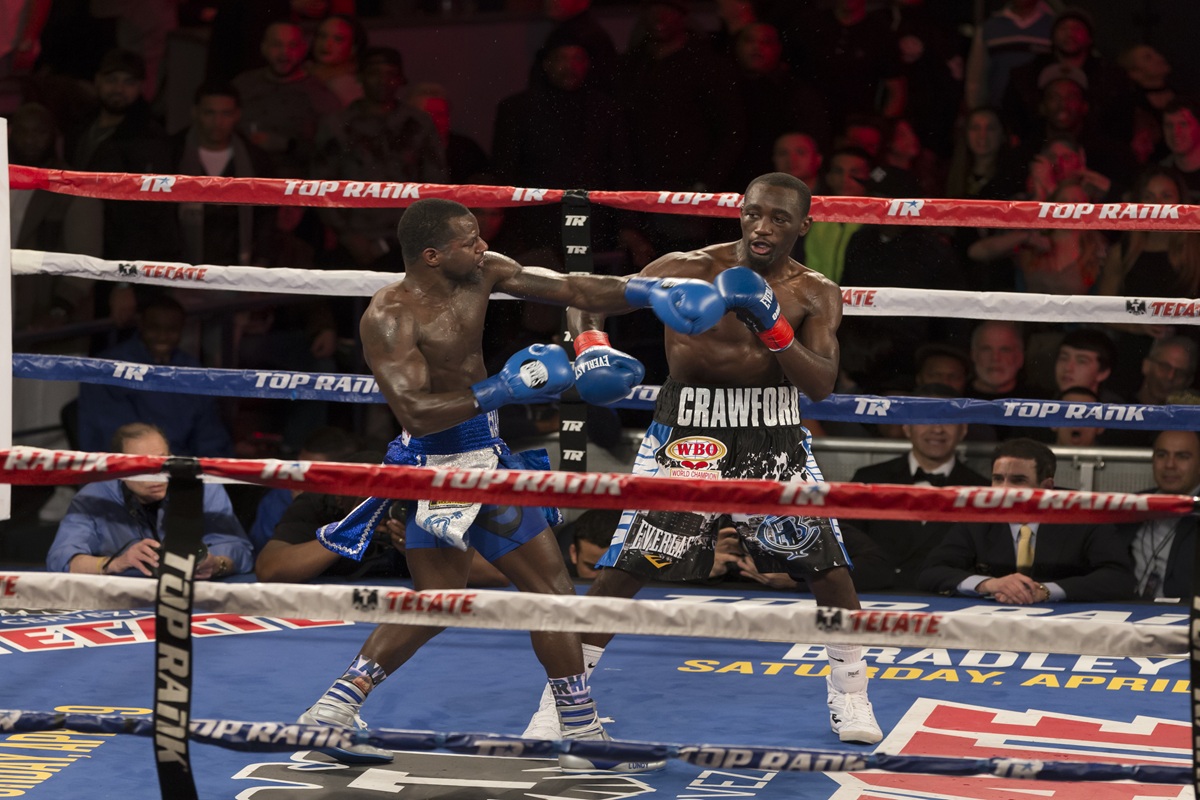
Boxing rules can seem confusing at first, but the basic idea is simple. Two fighters compete in a ring, using legal punches to outscore, hurt or stop the opponent. A fight is split into rounds, refereed, and usually scored by three judges if it reaches the final bell.
This guide explains boxing in simple terms, including rounds, scoring, knockouts, TKOs, decisions, weight classes, titles, records, pound-for-pound rankings, purse splits, fight cards and common boxing terms.
Boxing rules guide
Use these guides to go deeper into boxing weight classes, titles, fight pay, records and key terms.
What is boxing?
Boxing is a combat sport in which two fighters use punches to win rounds, score knockouts, or force stoppages. Fighters wear gloves, compete under a set of rules and are separated by weight class to make contests fairer.
Professional boxing fights can vary in length. Smaller shows may have four, six or eight-round bouts. Major championship fights are usually scheduled for 12 rounds.
How does a boxing match work?
A boxing match takes place in a ring. Each round has a set length, usually three minutes in men’s professional boxing. Fighters rest for one minute between rounds while their corner team gives advice and treats cuts or swelling.
The referee controls the action, enforces the rules and can stop the fight if a boxer cannot continue safely. If the bout reaches the final bell, the result is decided by the judges’ scorecards.
Boxing rounds explained
A boxing round is a timed period of action. In professional boxing, most men’s rounds last three minutes. Women’s professional boxing often uses two-minute rounds, though formats can vary by event and governing rules.
Championship fights are usually scheduled for 12 rounds. Non-title fights are often shorter, especially when a boxer is still developing their record.
How boxing scoring works
Most professional fights are scored by three judges. Each round is usually scored using the 10-point must system. The boxer who wins the round normally gets 10 points, while the other boxer gets fewer.
| Score | What it usually means |
|---|---|
| 10-9 | One boxer clearly won the round. |
| 10-8 | One boxer won the round and scored a knockdown. |
| 10-7 | One boxer dominated and scored multiple knockdowns. |
| 10-10 | An even round, used less often in major professional boxing. |
Knockouts, TKOs and decisions explained
Boxing fights can end in several ways. Some end before the final bell, while others go to the judges’ scorecards.
| Result type | Meaning |
|---|---|
| KO | A boxer is counted out after a knockdown. |
| TKO | The referee, doctor or corner stops the fight. |
| UD | Unanimous decision: all judges pick the same winner. |
| SD | Split decision: two judges pick one boxer, one picks the other. |
| MD | Majority decision: two judges pick one boxer, one scores it a draw. |
| Draw | No clear winner on the cards. |
Boxing weight classes explained
Weight classes separate boxers by size. This helps make fights fairer and safer. A boxer must usually weigh at or below the division limit at the official weigh-in before a fight.
There are many professional weight classes, from minimumweight to heavyweight. Fighters can also move up or down divisions during their career.
| Division | Weight limit |
|---|---|
| Minimumweight / Strawweight | 105 lb |
| Light flyweight | 108 lb |
| Flyweight | 112 lb |
| Super flyweight | 115 lb |
| Bantamweight | 118 lb |
| Super bantamweight | 122 lb |
| Featherweight | 126 lb |
| Super featherweight | 130 lb |
| Lightweight | 135 lb |
| Super lightweight | 140 lb |
| Welterweight | 147 lb |
| Super welterweight | 154 lb |
| Middleweight | 160 lb |
| Super middleweight | 168 lb |
| Light heavyweight | 175 lb |
| Cruiserweight | 200 lb |
| Heavyweight | Over 200 lb |
For a deeper breakdown, read our full Boxing Weight Classes Explained guide.
Boxing titles and belts explained
Professional boxing has several major sanctioning bodies. Each one can recognise its own world champion in a weight class. That is why boxing can have more than one world champion at the same weight.
| Body | Full name |
|---|---|
| WBC | World Boxing Council |
| WBA | World Boxing Association |
| IBF | International Boxing Federation |
| WBO | World Boxing Organization |
Interim titles explained
An interim title is a temporary version of a world title. It is usually created when a recognised champion is injured, inactive or unable to defend their belt within a required period.
Why interim titles exist
Meaning: They keep a division moving when the main champion cannot defend.
Interim champion
Meaning: A boxer who holds a temporary belt and may be in line to fight the full champion.
Full champion
Meaning: The recognised world champion for that sanctioning body.
Mandatory challenger
Meaning: A boxer ordered by a sanctioning body to fight the champion.
The undisputed champion explained
An undisputed champion is a boxer who holds all four major world titles in the same weight class at the same time: WBC, WBA, IBF and WBO.
Four-belt era
Meaning: The modern period where WBC, WBA, IBF and WBO titles are treated as the four major belts.
Undisputed
Meaning: One boxer holds all four major belts in a division.
Unified champion
Meaning: A boxer holds more than one major belt, but not all four.
Lineal claim
Meaning: A separate champion claim based on beating the previous recognised champion.
Boxing records explained
A boxing record shows a fighter’s wins, losses, draws and stoppage victories. It gives a quick view of a boxer’s career, but it does not tell the whole story. Level of opposition, titles, weight classes and timing matter too.
| Record term | Meaning |
|---|---|
| W | Wins |
| L | Losses |
| D | Draws |
| KO | Knockout wins |
| TKO | Technical knockout wins |
| NC | No contest |
| SD | Split decision |
| UD | Unanimous decision |
| MD | Majority decision |
Pound-for-pound rankings explained
Pound-for-pound rankings compare boxers across different weight classes. They ask a simple question: who would be the best if size did not matter?
Skill level
Meaning: Technical ability, defence, ring IQ and adaptability.
Resume
Meaning: The quality of opponents beaten and titles won.
Recent form
Meaning: How well a boxer is performing now, not only what they did years ago.
Weight movement
Meaning: Success across more than one division can strengthen a pound-for-pound case.
Boxing purse splits explained
A boxing purse is the money paid to fighters for a bout. A purse split decides how that money is divided between the boxers. The split can depend on title status, drawing power, broadcast value, contracts and negotiations.
| Fight money term | What it means |
|---|---|
| Purse | Guaranteed fight payment. |
| Purse split | How the money is divided between fighters. |
| Pay-per-view upside | Extra money from PPV sales. |
| Gate | Ticket revenue from the arena. |
| Sponsorship | Brand money linked to the event or fighter. |
| Purse bid | Promoters bid to stage an ordered title fight. |
Fight cards and undercards explained
A boxing event is usually made up of several fights. The main event is the headline bout, while the undercard contains the fights before it.
| Card section | Meaning |
|---|---|
| Main event | Biggest fight on the show. |
| Co-main event | Second-biggest fight. |
| Undercard | Earlier fights. |
| Swing bout | Flexible fight used if timing changes. |
| Preliminary fights | Early bouts before the main broadcast. |
Amateur vs professional boxing
Amateur and professional boxing share the same basic sport, but the goals, formats, and scoring emphasis can differ.
| Area | Amateur boxing | Professional boxing |
|---|---|---|
| Main aim | Tournament success and medals. | Paid fights, rankings and titles. |
| Fight length | Usually shorter. | Often longer. |
| Career focus | Clubs, national teams and the Olympics. | Promoters, records and belts. |
| Scoring feel | Technical and points-based. | Round-by-round judging. |
| Titles | Medals and tournament wins. | Belts and rankings. |
Common boxing terms explained
Boxing has its own language. These are some of the most useful terms for new fans to understand.
| Term | Meaning |
|---|---|
| Jab | A straight punch from the lead hand. |
| Cross | A straight power punch from the rear hand. |
| Hook | A curved punch thrown from the side. |
| Uppercut | A punch thrown upward at close range. |
| Southpaw | A left-handed stance. |
| Orthodox | A right-handed stance. |
| Clinch | Holding at close range to stop action. |
| Counterpunch | A punch thrown in response to an opponent’s attack. |
| Ring generalship | Control of space, tempo and positioning. |
| Cutman | Corner team member who treats cuts and swelling. |
| Canvas | The ring floor. |
| Neutral corner | A corner neither fighter uses between rounds. |
| Mandatory challenger | A boxer ordered to fight the champion. |
| Tune-up fight | A lower-risk fight before a bigger bout. |
| Catchweight | A fight agreed at a weight outside standard division limits. |
| Rehydration clause | A contract rule limiting weight gain after the weigh-in. |
How to watch boxing in the UK
Boxing in the UK is shown across different broadcasters, streaming platforms and pay-per-view services. The exact broadcaster depends on the promoter, the fighter, the event, and the rights deal.
Major fights may be shown through subscription channels, streaming services or pay-per-view. Smaller shows may appear on boxing-specific platforms or free-to-air channels.
Final word
Boxing becomes easier to follow once you understand rounds, scoring, weight classes, titles and result types. A fight is not only about who lands the biggest punch. Judges look at clean work, control, defence and overall effectiveness.
For new fans, the best starting point is to learn how scoring works, what the main result types mean and why weight classes matter. From there, titles, records and rankings become much easier to understand.
FAQs
What are the basic rules of boxing?
The basic rules of boxing are that two fighters use legal punches to win rounds, score a knockout or force a stoppage. Fighters must obey the referee, avoid fouls and compete within the agreed weight class and round limit.
How is boxing scored?
Most professional boxing fights use the 10-point must system. The winner of a round usually gets 10 points, while the other boxer normally gets nine or fewer.
What is the difference between a KO and a TKO?
A KO happens when a boxer cannot beat the referee’s count after a knockdown. A TKO happens when the referee, doctor or corner stops the fight because a boxer cannot safely continue.
What does undisputed champion mean in boxing?
An undisputed champion holds all four major world titles in a single weight class: WBC, WBA, IBF, and WBO.
What does pound-for-pound mean in boxing?
Pound-for-pound compares boxers across weight classes. It asks who would be the best if size and weight were equal.