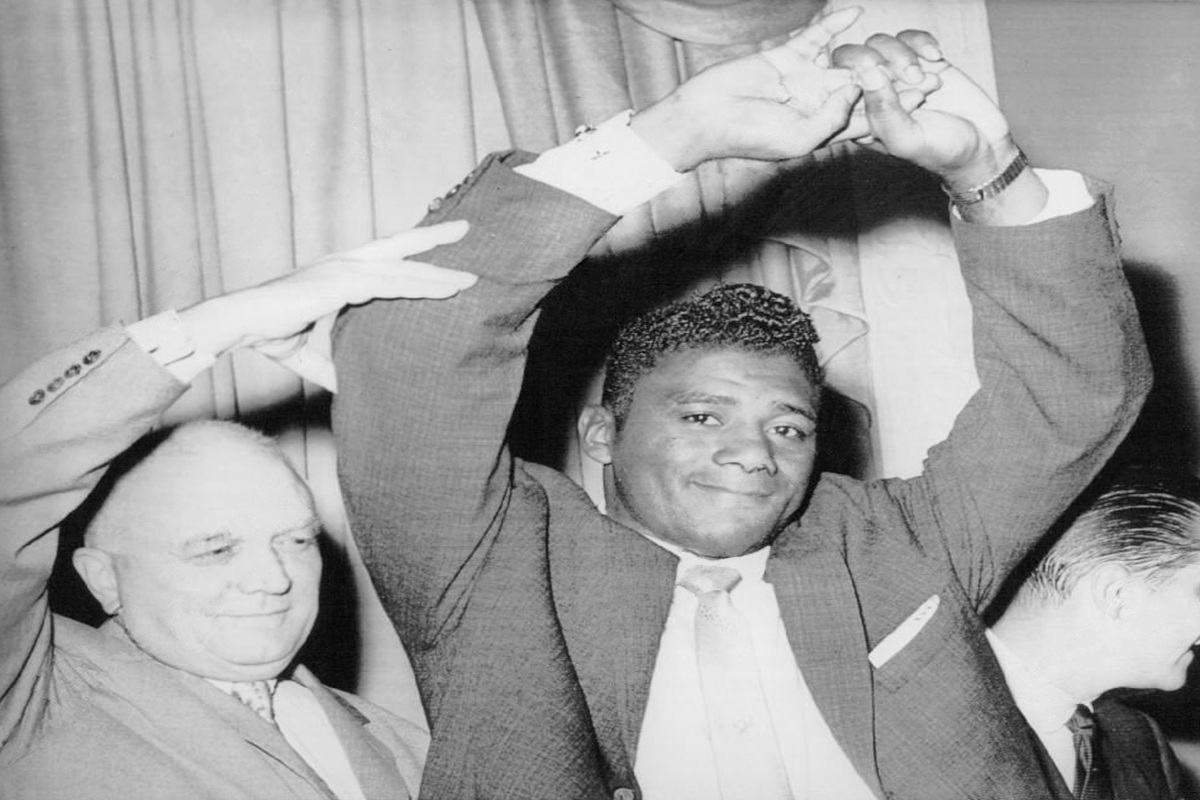
Few people in boxing history have made as big a difference as Cus D’Amato. He was known for his new training methods, deep understanding of the mind, and strong belief in his fighters. D’Amato changed how people saw boxing.
His work with Floyd Patterson, José Torres, and Mike Tyson remains a benchmark for how discipline, mindset, and courage can forge champions.
The Early Life of Cus D’Amato
Cus D’Amato was born in the Bronx, New York, in 1908 and faced challenges from a young age. As a young man, he turned his difficulties into a source of strength by opening a small gym, which would later train world champions. Although he never became a professional boxer because of an eye injury, his strong understanding of human behaviour became his greatest strength.
D’Amato believed that every fight began in the mind. He once said, “The hero and the coward both feel the same fear, but the hero uses it.” This idea was at the heart of his beliefs.
Cus D’Amato: Building the Peek-a-Boo Defence
D’Amato created the peek-a-boo style, a defensive way of boxing where fighters kept their hands up, elbows close, and moved their heads in a steady rhythm. This helped them strike back with great power. The style became closely linked to the success of his fighters, especially Mike Tyson, who used it to beat opponents with speed and accuracy.
However, this method was not only about physical skill—it was also about mental discipline. D’Amato taught his boxers to manage fear, trust their instincts, and remain disciplined rather than acting on emotion. To him, boxing wasn’t about being aggressive—it was about self-control.
The Psychology Behind His Training
Cus D’Amato’s influence was about more than boxing skills. He saw boxing as a reflection of life. His lessons focused on the mind, pushing fighters to face their fears instead of avoiding them. He believed fear could either break someone or make them stronger, depending on how they dealt with it.
He created strict daily routines to build his fighters’ character. Early mornings, healthy eating, and mental training were part of everyday life. Through these habits, he helped his boxers gain confidence and develop a strong sense of self.
D’Amato was more than a coach—he was like a father. For Mike Tyson, who lost his parents at a young age, Cus became a guiding figure. Their close bond showed how a mentor can help someone heal and grow stronger.
Mentoring Champions: Patterson, Torres, and Tyson
D’Amato’s first big success was Floyd Patterson, who became the youngest heavyweight champion at the time. His skill and humble nature showed how D’Amato’s training helped him.
Then came José Torres, who won the light-heavyweight title. He said D’Amato’s lessons on mental strength helped him in boxing and in life.
Mike Tyson showed D’Amato’s ideas better than anyone. With D’Amato’s support, Tyson’s early career showed both power and control. D’Amato believed Tyson could become the youngest heavyweight champion—and he did, one year after D’Amato died.
D’Amato’s Philosophy on Fear and Confidence
To D’Amato, fear wasn’t something to run from—it was something to learn from. He taught his fighters to use fear as a source of energy. He often said, “The difference between a hero and a coward is what they do with their fear.” This idea isn’t just about boxing—it’s a life lesson for anyone facing challenges.
Today, his ideas influence not only boxers but also psychologists, business leaders, and coaches worldwide. His methods align well with modern sports psychology, which emphasises mindset and emotional control.
👉 Related: Eddie Futch’s Secrets to Training World Champions
The Legacy of a Visionary
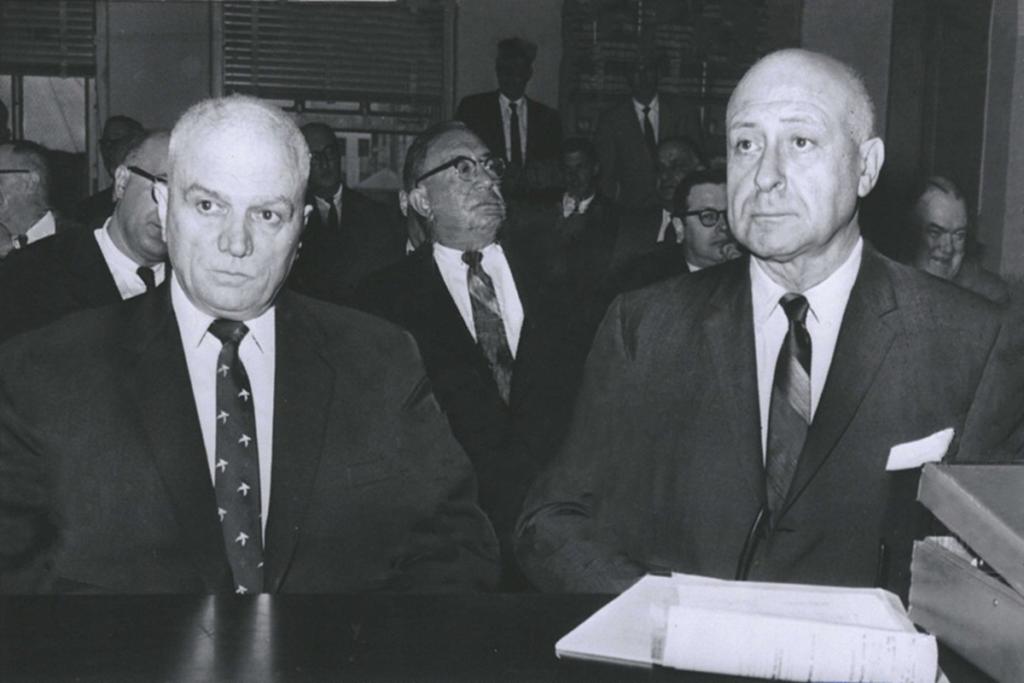
Source: Unknown (Associated Press), Public domain, via Wikimedia Commons
D’Amato’s influence is still strong, even though he died in 1985. Coaches continue to use his methods, and his ideas live on through books and documentaries. The peek-a-boo style is still used in gyms worldwide, showing that his approach still matters today.
The International Boxing Hall of Fame recognises him as a key figure in boxing—not just for his techniques, but also for the values he taught, such as discipline, respect, and courage.
For those interested in learning more about sports psychology, the British Psychological Society has useful information on mental training in sport. You can also find a summary of Cus D’Amato’s career and impact on BoxRec.
Applying D’Amato’s Lessons Beyond Boxing
D’Amato’s wisdom goes beyond boxing. His focus on discipline, preparation, and self-belief can help anyone do better in their own area. Whether in sports, business, or education, his message remains the same: success begins in the mind.
He taught that fear doesn’t have to hold us back—it can push us forward. His lessons remind us that courage doesn’t mean having no fear, but learning how to control it.
Why Cus D’Amato Still Inspires Today
Today, when mental strength is key to success, D’Amato’s lessons are more relevant than ever. Athletes, businesspeople, and students still learn from his firm and determined mindset. His life—full of challenges, new ideas, and belief—continues to inspire people around the world.
Cus D’Amato’s legacy lives on because he proved that greatness isn’t a gift you’re born with. It stems from hard work, self-discipline, and a strong belief in yourself.
👉 Related: The Untold Story of Bert Sugar: Boxing’s Greatest Historian
Conclusion
Cus D’Amato is still known as one of the most important minds in boxing history. His deep understanding of human psychology and his way of turning fear into strength helped shape many fighters. He showed that greatness starts with self-belief, and that even the hardest challenges can be overcome with courage and discipline.
From Patterson to Tyson, his teachings still matter. They remind us that while physical strength may fade, mental strength lasts. His life’s work continues to inspire people who want not just to fight, but to win—with heart, with focus, and with fearless belief.