
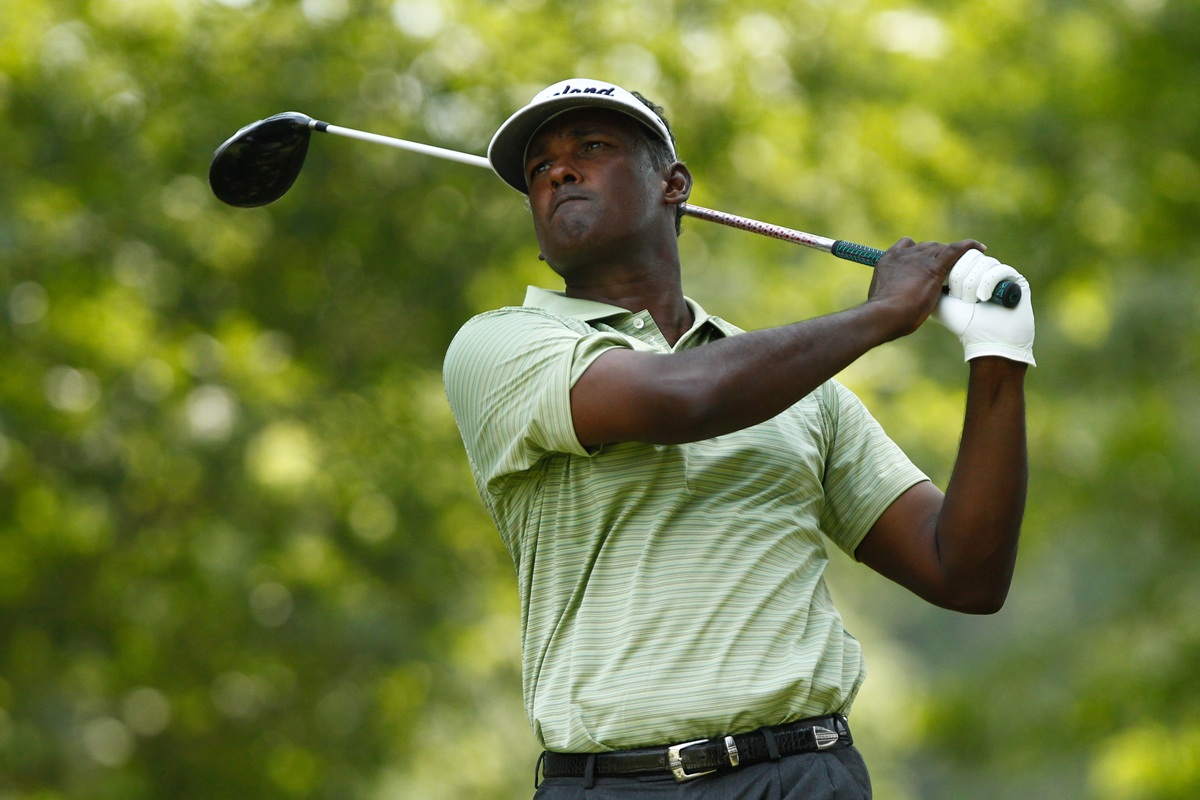
Vijay Singh: Early life and journey from Fiji to the global golf stage
Vijay Singh was born in Lautoka, Fiji, in 1963. His father worked as an airport engineer and also taught golf. Because of that, Singh saw the game early. He practised on simple courses and driving ranges rather than elite country clubs.
Due to limited facilities in Fiji, he had to be creative. He hit balls into coconut fields. He learned to control his swing without advanced coaching. This background built his famous work ethic.
Later, he left Fiji to chase his dream as a professional golf player. Vijay Singh played on smaller tours in Asia and Africa. The travel was tough. The prize money was low. However, he kept grinding, and the results improved.
Breakthrough years and first major wins
In the early 1990s, Vijay Singh started to get more starts on the European Tour and then the PGA Tour. His ball striking stood out right away. He hit a high number of greens in regulation and rarely missed fairways.
Because of this strong base, he soon earned his first big titles. His first major came at the 1998 PGA Championship. He won at Sahalee Country Club with steady, controlled golf rather than wild risk. That victory changed his career.
After 1998, fans no longer saw him as just a hard-working grinder. They saw a major champion who could close out big events. Sponsors noticed. Tournament directors also gave him more invites.
Vijay Singh: Masters champion in 2000
Two years later, Vijay Singh reached another level. In 2000, he won the Masters Tournament at Augusta National. This event lifted his profile across the world.
Augusta demands precise iron play and mental strength. Singh showed both. He stayed patient on the fast greens. He placed his approach shots in smart spots instead of chasing every flag.
With this win, golf player Vijay Singh joined an elite list of Masters champions. For many fans, this remains the signature moment of his career. The green jacket also confirmed that his 1998 PGA Championship was not a one-off result. He was now a multi-major winner in the Tiger Woods era, which was rare and impressive.
Dominant 2004 season and rise to world number one
In 2004, Vijay Singh produced one of the greatest single seasons in modern PGA Tour history. He won nine PGA Tour events in one year. That streak included the 2004 PGA Championship at Whistling Straits, his third major title.
Throughout that season, he seemed to appear on every leaderboard. His long game was sharp. His putting improved with constant practice. In addition, he focused on fitness and flexibility, which helped him compete across long stretches of the calendar.
Because of his sustained success in 2004, Singh climbed past Tiger Woods in the world rankings. He reached number one in the Official World Golf Ranking and held that spot for many weeks. At that time, fans and analysts described him as the hardest-working player in golf.
This peak period remains a key reason why golf player Vijay Singh still ranks highly in lists of all-time greats. His 2004 campaign proves that work ethic can deliver results even in the most competitive era.
Consistent PGA Tour success and money list titles
Beyond his major wins, Vijay Singh also built a huge bank of regular PGA Tour victories. Across his main career years, he gathered more than 30 PGA Tour wins. This tally places him among the most successful international players in Tour history.
He also topped the PGA Tour money list several times. These seasons show how often he contended, even when he did not win. He played a large schedule and rarely skipped events. Because of this workload, he became a favourite for fantasy golf players and serious stat fans.
In many years, Singh ranked near the top in strokes gained tee-to-green. He played a repeatable game that travelled well across different styles of course. Links-style setups, parkland layouts, and desert courses all suited his controlled fade and calm attitude.
Vijay Singh: Work ethic, practice habits, and reputation
Vijay Singh’s work ethic became a big part of his legend. Stories from caddies and fellow pros describe him hitting hundreds of range balls after competitive rounds. While some players left the course, Singh often stayed until dark.
Because of that, younger players watched and learned. They saw that natural talent alone was not enough. Practice, discipline, and repetition also mattered. Singh’s approach influenced a new wave of professionals who now treat golf more like a full-time job than a hobby.
At the same time, he could be quiet and private. He rarely showed big emotion on the course. However, he still earned respect. Many saw him as a pure competitor who let his clubs do the talking.
Later career, injuries, and Champions Tour success
As he moved into his 40s and 50s, Vijay Singh faced back problems and other injuries. His PGA Tour schedule became lighter. Scores sometimes rose as younger, longer hitters entered the game.
Even so, he did not step away from the sport. Instead, he targeted events that suited his strengths. He also moved into the PGA Tour Champions, the senior circuit for players over 50. On that tour, his ball-striking skill and experience turned into more wins and high finishes.
These later-career results show his love for competition. Many golfers slow down once they reach their 50s. Singh kept working on his swing and fitness. He stayed relevant in leaderboards long after many of his peers retired.
Legacy and impact on Asian and Pacific golf
Vijay Singh’s success carries special meaning for golfers from Asia and the Pacific region. He came from a small island nation with limited golf history. Because of his achievements, more young players in Fiji and other Pacific countries now see a path to the PGA Tour.
In addition, he helped raise the profile of international players on American television. Fans saw a Fijian golfer win majors and lead the world rankings. This change opened doors for more global stars from Korea, Japan, South Africa, and beyond.
His induction into the World Golf Hall of Fame confirmed that legacy. The honour recognised not only his wins but also his long-term influence on the sport.
Playing style: strengths and trademark traits
Golf player Vijay Singh built his career around precision and consistency. His swing produced a reliable fade that rarely strayed far from the fairway. He preferred to hit many greens and then trust his putting and short game.
On approach shots, he liked to flight the ball down in windy conditions. This habit suited Open-style courses and coastal layouts. Because of that skill, he often performed well when the weather turned rough.
On the greens, he worked endlessly. At times, his putting statistics dipped. Yet he never stopped searching for improvements. New grips, fresh putters, and long practice sessions all formed part of his daily routine.
Mentally, he stayed calm. Even after a bad hole, he usually walked to the next tee with the same pace. That attitude helped him close out tournaments under pressure.
Why fans still search for Vijay Singh’s career highlights today
Even though his peak years sit in the 1990s and early 2000s, search interest around Vijay Singh remains steady. Fans look up his Masters win, his nine victories in 2004, and his place on all-time money lists. Golf historians also study his swing and stats to compare him with other legends.