
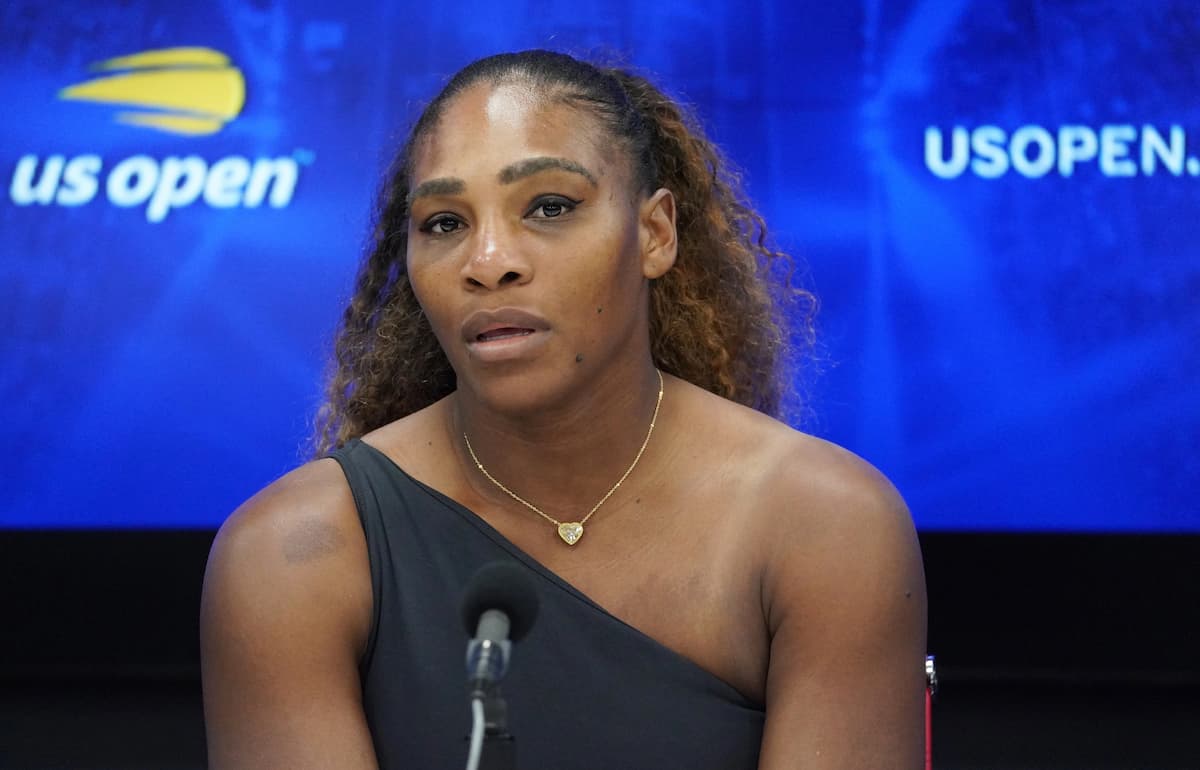
Two years ago, Serena Williams took to Instagram to announce that the 2022 U.S. Open would mark her final act in professional tennis. By the time she walked off the court for good, she had 73 singles titles, 14 doubles majors, two mixed doubles Slams, and four Olympic golds. These are impressive numbers, but they don’t tell the whole story.
The Serena Effect
Battles off the court shaped Serena’s career. She got pregnant. Came back after childbirth. Redefined what a champion could look like, how they could dress, how they could carry themselves. And somehow, in the process, it became a symbol for something bigger. Girls looked up to her, and boys weren’t ashamed to do it. She showed strength and grace could coexist. That winning wasn’t just about trophies. But, if we’re being honest, maybe none of that matters as much as the barriers she shattered along the way. Tennis didn’t look the same when she started. It doesn’t look the same now.
We had many amazing female tennis players, like Steffi Graf, Billie Jean King and Martina Navratilova. But none dared to change tennis like Serena. She rewrote it. She turned it into something bolder, faster, and more explosive. Today’s top players move, strike, and think in ways that scream Serena’s influence. Yes, Venus started paving that road, but Serena barreled down it and left everyone else catching up.
Serena’s Accomplishments on the Field
Serena played her first professional match in 1995 when she was just 14. By 1999, she’d graduated from Driftwood Academy and signed a $12 million deal with Puma, winning her first Grand Slam title at the U.S. Open. In 2001, she claimed the Indian Wells title in California for the second time, and the wins kept coming. By 2002, she secured three more Grand Slam titles: the French Open, Wimbledon, and the U.S. Open.
In 2003, Serena won the Australian Open, completing the career Grand Slam, which only six women had achieved in the Open Era. In 2005 and 2007, she claimed the Australian Open, cementing her place at the top. But injuries piled up, losses followed, and by the time the rankings caught up, she had slipped to 139th. By 2008, though, the comeback was on. She took the U.S. Open like she had something to prove. She was back at it a year later, winning the Australian Open and Wimbledon and reclaiming her world number-one spot.
Then came 2011, and with it, a blood clot in her lung. By the year’s close, she was winning again. The next year brought a new kind of glory: a gold medal in singles at the London Olympics. From 2013 to 2015, it was almost routine. Her third, fourth, and fifth seasons were as the top-ranked player. She picked up her 21st Grand Slam and completed yet another Serena Slam. Then, in 2017, she broke Steffi Graf’s Open Era record with her 23rd Grand Slam at the Australian Open. When she came back in 2018, ranked 549th, it was clear this wasn’t a swan song but a continuation.
Still, all things have their time. In 2022, she returned for the last US Open and lit up the online betting world. At the time, she had the most US Open futures bets across multiple sportsbooks, and even though she was an underdog against Anett Kontaveit, people were still betting on her. But after that tournament and years of dominance, she decided it was enough. Retirement was about stepping into new projects and dedicating her time to her family.
Bright-colored Undershorts
Serena is responsible for reshaping women’s tennis fashion. For decades, the sport’s attire was heavily gendered and tradition-bound. Wimbledon still enforces an all-white dress code. But in 2010 and 2012, Serena fought this rigidity, wearing bright-colored undershorts during play. His wasn’t just about clothes.
Serena’s story never was just about tennis. Look around at the US Open. The crowd itself is evidence of change. Twenty-five years ago, the scene was much different. Thanks to Serena and Venus, people of colour started participating on and off the court. Only Evonne Goolagong and Zina Garrison reached a grand slam final as black women in the Open era for decades. But in the last five years, we have Madison Keys, Sloane Stephens, Naomi Osaka, and Coco Gauff.