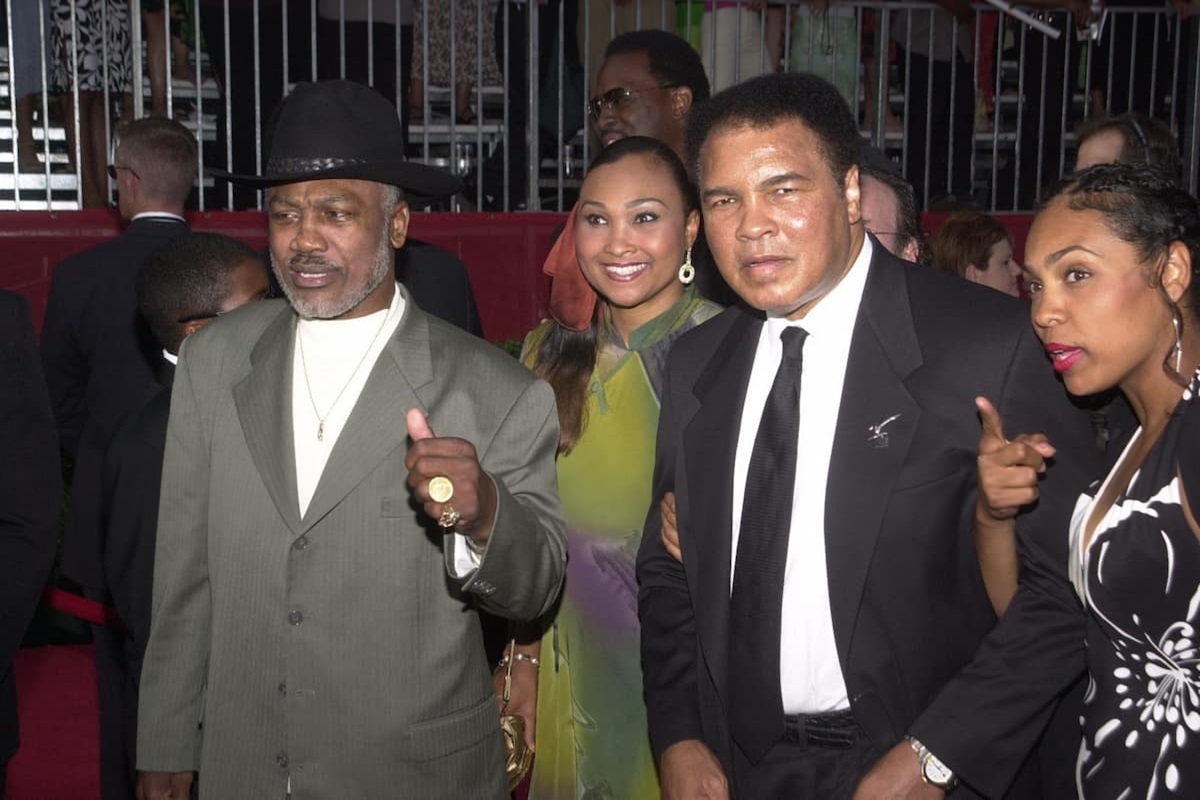
Few figures in sports history have transcended their craft to become global icons like Muhammad Ali. More than just a boxer, Ali was a beacon of courage, conviction, and resilience in the face of immense personal and professional challenges. With a dazzling combination of charisma, wit, and sheer talent, Ali’s legacy extends beyond the ring, making him one of the most influential cultural figures of the 20th century.
Early Life: From Cassius Clay to Muhammad Ali
Born as Cassius Marcellus Clay Jr. on January 17, 1942, in Louisville, Kentucky, Ali’s journey began in a racially segregated society. Growing up during the height of Jim Crow laws, young Cassius was acutely aware of the racial injustices surrounding him. His introduction to boxing at age 12 was almost accidental. After stealing his bike, Clay told a local police officer, Joe Martin, that he wanted to “whip” the thief. Martin, who also coached boxing, suggested that Clay learn to fight first.
From that day forward, Clay’s focus was unstoppable. Under Martin’s guidance, he trained relentlessly, showing natural ability and an unmatched work ethic. At just 18, he won a gold medal in the light heavyweight division at the 1960 Rome Olympics. However, his Olympic glory did little to shield him from the realities of segregation back home.
The story of throwing his gold medal into the Ohio River after being refused service at a “whites-only” restaurant, while debated, is a powerful symbol of his lifelong battle against racial inequality.
Muhammad Ali: The Rise of the Greatest
After turning professional, Clay quickly earned a reputation for his brash confidence, often predicting which round he would defeat his opponents. In 1964, at just 22 years old, he shocked the world by defeating the heavily favoured Sonny Liston to become the world’s heavyweight champion. In the aftermath, Clay announced his conversion to Islam and changed his name to Muhammad Ali, stating that “Cassius Clay is a slave name.”
His name change was met with resistance and hostility from many in the media and the public. Still, it was Ali’s way of asserting his identity and rejecting the oppressive racial structures of the time. From then on, he became a champion in the ring, a figurehead for Black pride, and a voice of resistance.
Standing Up for Beliefs: The Vietnam War
Arguably, one of the most defining moments in Ali’s life came not in the ring but in 1967 when he refused induction into the U.S. Army during the Vietnam War. Citing his religious beliefs and opposition to the war, Ali famously stated, “I ain’t got no quarrel with them Viet Cong… No Viet Cong ever called me n***er.”
Ali’s stance came at a significant personal cost. He was stripped of his titles, banned from boxing for nearly four years, and faced the possibility of prison. However, his refusal to compromise his beliefs earned him the admiration of anti-war activists and civil rights leaders. His case was eventually taken to the U.S. Supreme Court, overturning his conviction in 1971.
The Comeback: Ali’s Return to Glory
When the boxer was allowed to return to the ring, he was no longer the quick-footed, elusive boxer he had once been. Yet, his indomitable spirit shone brighter than ever. 1974 he faced the seemingly invincible George Foreman in the “Rumble in the Jungle” in Zaire (now the Democratic Republic of the Congo). Using a strategy later dubbed the “Rope-a-Dope,” he allowed Foreman to exhaust himself with wild punches before launching a decisive counterattack, regaining the heavyweight championship in one of the greatest upsets in boxing history.
Just a year later, Ali faced Joe Frazier for the third time in the legendary “Thrilla in Manila.” In a brutal, back-and-forth battle, he emerged victorious, cementing his place as one of the greatest fighters ever.
The Later Years and Legacy
After retiring in 1981, Ali’s life took on new challenges. In 1984, he was diagnosed with Parkinson’s disease, a progressive neurological condition likely caused by the trauma his body endured during his boxing career. Yet, even in the face of illness, he remained a figure of inspiration and grace. He continued his humanitarian work, advocating for peace and understanding across cultural and religious lines and raising awareness for Parkinson’s disease.
Muhammad Ali passed away on June 3, 2016, but his legacy remains. He was more than a boxer—he was a man who refused to be silenced in the face of injustice, stood firm in his beliefs, and inspired millions with his courage. Whether inside the ring or out, Ali’s life was a testament to the power of self-belief, determination, and the unyielding pursuit of justice.
“The Greatest” Forever
He once said, “I am the greatest; I said that even before I knew I was.” His confidence was never in doubt, but as the world remembers Muhammad Ali, it is clear that his greatness wasn’t just about his skill as a boxer but about his ability to inspire, challenge, and uplift people everywhere.