
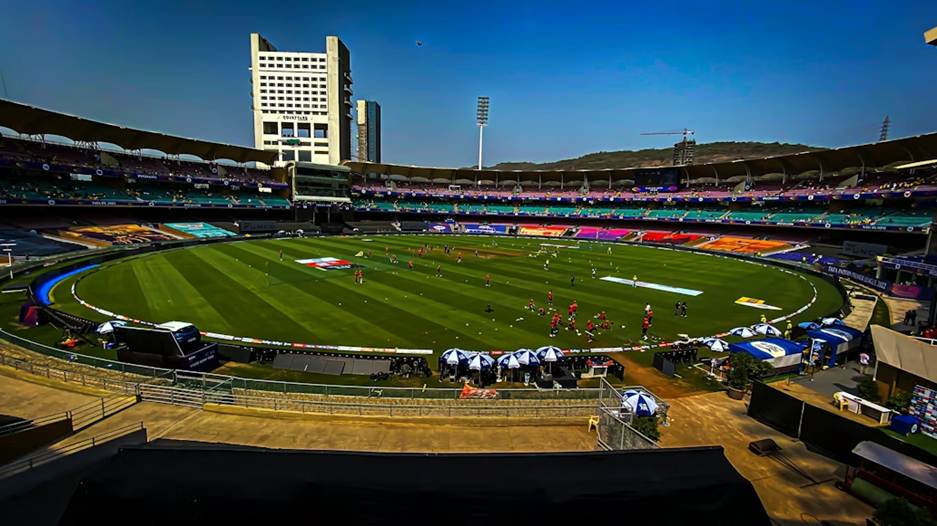
The T20 World Cup overs totals market refers to the number of runs scored in a particular phase of the innings, usually the powerplay (overs 1-6) or the death overs (overs 16-20). Though both phases involve aggressive batting, the strategies behind the two are very different, as are the conditions. Realising those differences is essential for determining where the betting value lies.
In T20 cricket, only 2 fielders are allowed outside the 30-yard circle during the first 6 overs, known as the powerplay. During the death overs, the teams usually create a strong finish or reach a target. This refers to the last part of an innings. Initially, both sections indicate higher scores. Overs totals lines are often too high, too low or correctly priced depending on the context.
What the 2024 T20 World Cup taught bettors about conditions
The United States and the West Indies hosted the 2024 ICC Men’s T20 World Cup. The scoring patterns can change drastically due to conditions at the venue. India won the 2024 T20 World Cup, beating South Africa by 7 runs in a thrilling final.
International Cricket Stadium in Nassau County, New York, stands out the most. No team scored above 140 in the venue in eight matches. Canada against Ireland made 137 for 7, the highest score at the venue. During the tournament, the surface was described as very favourable to fast bowlers, with the ball generating uneven bounce and appreciable seam movement, making fluent strokeplay difficult.
An environment like this plays a vital role in the overall markets. When conditions inhibit run-scoring, bookmakers quickly adjust match and innings totals. However, not all phase-specific markets move in lock step.
Too much reliance on generic T20 scoring assumptions can create a lag between the actual pitch and the powerplay or death overs pricing.
Early intent and early risk in powerplay totals
Power plays are considered aggressive. With only two fielders outside the circle, it becomes easier to hit the boundary, and teams often look to exploit it. However, that attacking mindset comes with significant early risk.
In the 2024 World Cup, various venues offered considerable new-ball movement. On these pitches, teams often had to compromise between ambition and survival. If a side loses two or three wickets in the first three overs, an aggressive plan can turn into consolidation mode. At even the faster end of the character scale, there is fear of failure.
Because of historical averages, powerplay overs totals markets can become “sticky”. However, these averages are not always the same for any match-up. A new ball that seams and grips can keep the runs down even without fielding restrictions if the pace attack is of high quality. On flat surfaces with limited swing, meanwhile, the same line might be underestimated.
In the most unusual circumstances and when bowling strength was far from what was perceived pre-tournament, the New York games of 2024 were a classic example: surfaces that made timing a tough ask fetched a modest return in the first six overs.
Death overs numbers: unpredictability and specialist impact
When looking at powerplay scoring, we think of structure and surface, but death overs are influenced by volatility and personnel. In the 16-20 over intervals, teams usually launch a final assault or defend a low total under pressure. The outcomes vary depending on the number of wickets left in hand, the required run rate, and the quality of the specialist bowlers.
The 2024 final between India and South Africa showed how game-changing death overs can be. India held their ground due to brilliant Jasprit Bumrah, who conceded only six runs across his two crucial overs (the 16th and 18th).
This spell showed that great execution can put even a strong batting side to sleep in the most aggressive phase of an innings.
Markets for death overs are typically priced on the premise of late acceleration. While that assumption is statistically sound in many T20 leagues, it can be misleading insome instances. A team may take a calculated risk instead of a wild-goose chase when they are chasing a big target but do not have enough wickets in hand. In the same way, two proven death specialists in a bowling side can eliminate boundary chances.
Death overs totals are volatile and can change on a single over. A twenty-run blow could see an over market go well over its line, while consecutive yorker-heavy overs could see it fall well short. The fluctuation can create opportunities, but it can also cause confusion.
Where the value lies
The advantage of either the powerplay or the death overs market at a T20 World Cup is not common. The advantage usually stems from pinpointing the overly generic pricing of a particular phase.
Markets for powerplay overs may offer value when the pitch behaviour or the quality of the new ball is underestimated. Opportunities may exist in death overs markets when elite specialists, scoreboard pressure or slowing surfaces are not properly reflected in the line.
In the end, the best thing to do is not to assume that one phase is always more profitable than the other. The aim is to assess the interaction between venue, match-ups, game state, and market forecasts. The real advantage often lies in that contextual awareness at an event like the T20 World Cup, where conditions at the ground differ significantly.