
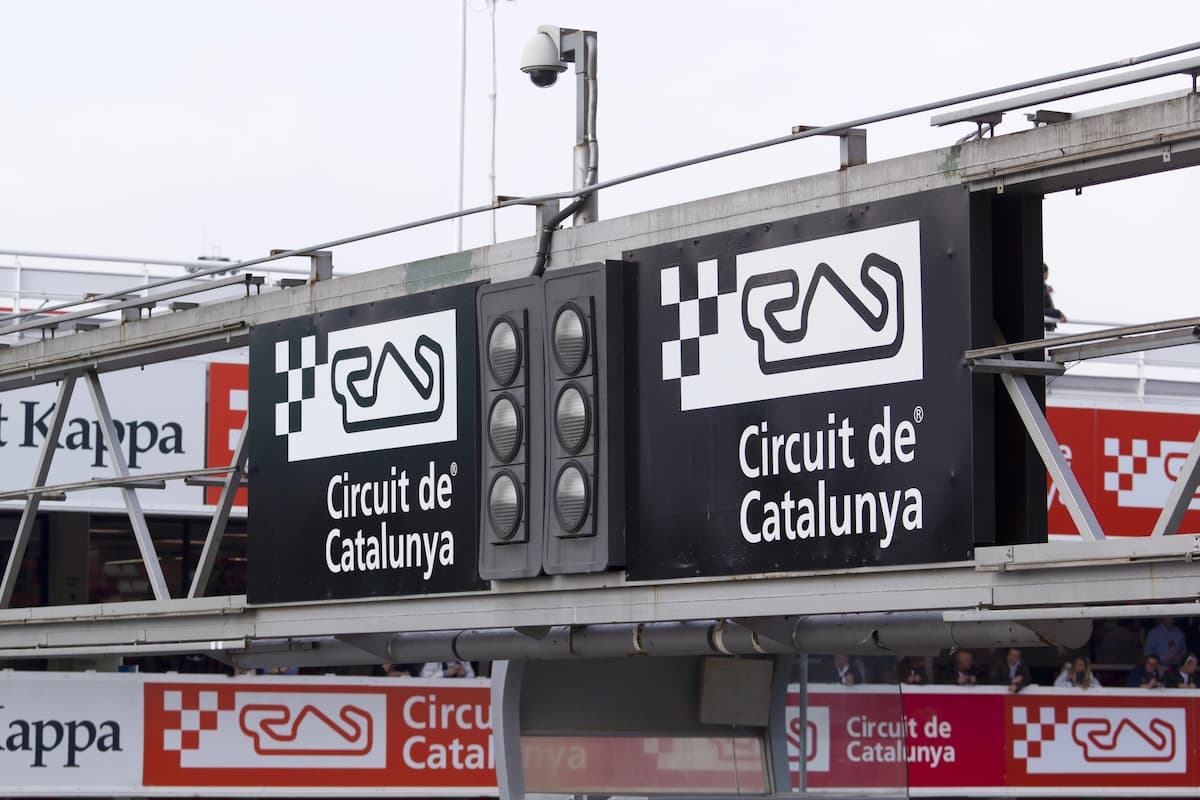
Round of the Formula 1 2024 season returns to the European continent at the Circuit de Barcelona-Catalunya in Montmeló to host the iconic Spanish Grand Prix. Located just north of Barcelona, the track is a fusion of high-speed straights and challenging corners, making it a crucial stop along the season’s F1 calendar.
Overview of the Spanish Grand Prix
The Spanish Grand Prix boasts a long and interesting history, tracing its origins back to 1913. It became part of the Formula 1 World Championship in 1951 and has since been a regular fixture on the Formula 1 calendar. The event has taken place at various venues worldwide, including Jarama, Montjuïc, and Jerez, before finally settling in Montmeló. Since its inauguration in 1991, the Circuit de Barcelona-Catalunya has hosted the Spanish Grand Prix. Built as part of the preparations for the 1992 Barcelona Olympics, this circuit has become a mainstay of the Formula 1 calendar.
Track Layout
Since last year, Formula has used the track layout that the MotoGP series uses. So now the Spanish GP will feature 66 laps, creating 307 kilometres of rubbing-burning action. As the track layout has been changed, the distance is 4.675 kilometres to 4.657 kilometres, with the drivers tackling 14 turns, six to the left and eight to the round of the clockwise circuit.
Iconic Features
Due to the variety of high-speed corners and long straights, the Circuit de Barcelona-Catalunya is widely known as one of the best venues for testing a car’s aerodynamic capabilities. Making this circuit a popular ground for pre-season testing hosted in previous years. It is especially noteworthy that Turns 3 and 9, two fast, sweeping bends, impact tyre wear and car balance, which in turn demand a high level of aerodynamic performance and an element of precision driving.
Located in northeastern Spain, the Spanish Grand Prix track is susceptible to a wide range of weather conditions during the race weekend, ranging from cool temperatures in the mornings to warmer conditions in the afternoon. These conditions significantly impact tyre strategies and car performance.
Memorable Races at the Spanish Grand Prix
The Spanish Grand Prix has been the scene of several memorable F1 moments. Perhaps one of the most significant was 2016 when Mercedes drivers Lewis Hamilton and Nico Rosberg collided going into the gravel trap at Turn 4. This turn of events allowed the newly appointed Red Bull driver Max Verstappen to take the lead in the Grand Prix, thus winning his first Formula 1 race and becoming the youngest-ever race winner in F1 history at 18.
Live Timings
Thursday (20th June)
1:30 pm – Live Drivers’ Press Conference
Friday (21st June)
12:00 pm – The Spanish Grand Prix Practice One – (Session begins at 12:30 pm)
3:45 pm – The Spanish Grand Prix Practice Two – (Session begins at 4 pm)
Saturday (22nd June)
11:15 am – The Spanish Grand Prix Practice Three – (Session begins at 11:30 am)
2:15 pm – The Spanish Grand Prix Qualifying – (Session begins at 3 pm)
Sunday (23rd June)
12:30 pm – The Spanish Grand Prix Qualifying – (Session begins at 2 pm)
If you would like to learn more news about the world of Formula 1? Then why not check out “The “Four Horseman” of Formula 1 so far in 2024” or “Esteban Ocon: Where Will He Go For The 2025 Season?”
Image Credit: Deposit Photos