
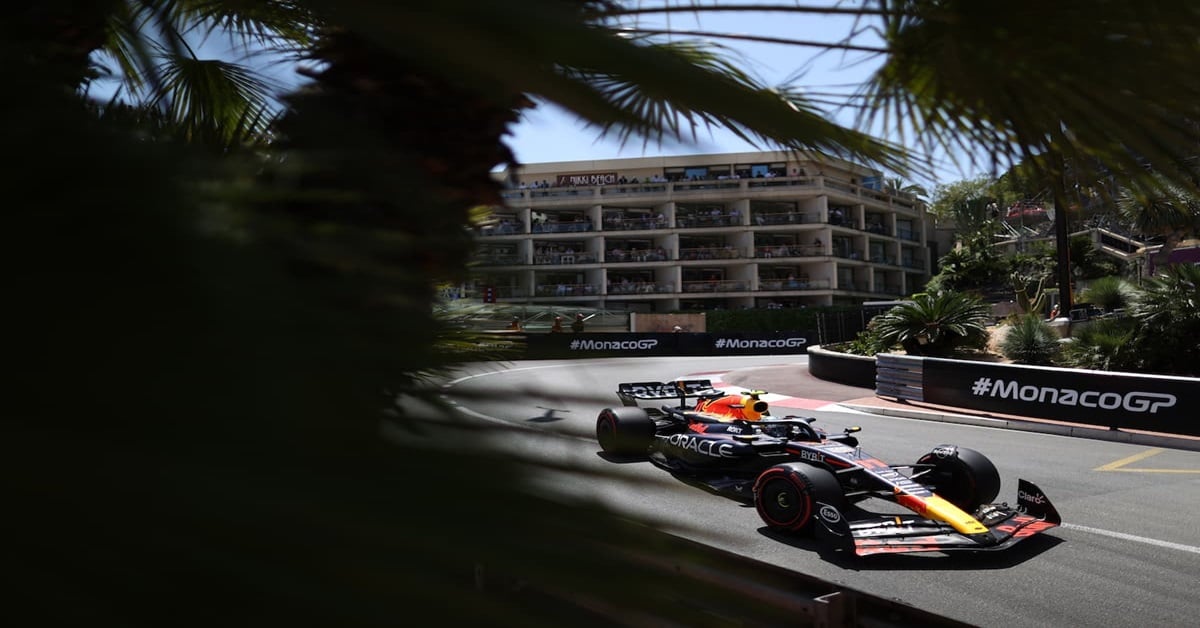
The 2024 Formula 1 season showcases a series of tracks that push the boundaries of motorsport engineering and driver skills. Each circuit, with its unique characteristics, presents a different challenge, testing the limits of both the car and the driver.
From the tight, twisting streets of Monaco to the high-speed sweeps of Silverstone, these tracks are not just asphalt and curves but battlegrounds where strategy, precision, and bravery collide. Here’s an in-depth look at these tracks.
Suzuka Circuit, Japan
This 5.807 km track is celebrated for its unique figure-eight layout, high-speed corners, and technical challenges. The famous 130R corner, a high-speed, sweeping turn, demands extreme precision and bravery. Suzuka is a mix of fast straights and complex series of corners, like the ‘S’ curves, which test the aerodynamic efficiency and mechanical grip of the cars. Its history of deciding championship outcomes adds to the pressure on drivers.
Monaco Circuit, Monaco
The streets of Monaco, at 3.337 km, offer one of the most challenging environments in Formula 1. The circuit’s tight corners, such as the Grand Hotel Hairpin, and narrow streets demand inch-perfect precision. Drivers must navigate through a tunnel and handle varying light conditions, adding to the track’s difficulty. The lack of overtaking opportunities means qualifying is crucial, adding an extra layer of challenge in 2024.
Spa-Francorchamps, Belgium
Spanning 7.004 km, Spa is known for its mix of long straights and fast, sweeping corners, like the infamous Eau Rouge-Raidillon. The circuit’s undulating nature and the often-changeable weather conditions make it a true test of Formula 1 driver’s skill and adaptability. The high-speed sections test the car’s downforce and engine power, while the variable weather can turn races into strategic battles.
Silverstone Circuit, United Kingdom
Measuring 5.891 km, Silverstone is famous for its high-speed corners and flowing nature. Sections like the Maggotts-Becketts-Chapel complex require high downforce and precise car setup. The track’s mix of high-speed and technical sections tests the driver’s endurance and the car’s aerodynamic performance. Its historical significance as the birthplace of the Formula 1 World Championship adds to its prestige.
Baku City Circuit, Azerbaijan
The Baku circuit, at 6.003 km, combines high-speed straights with tight, twisty sections, making it a unique challenge. The long main straight sees cars reaching top speeds. While the narrow section near the old city demands precision and car control. The track’s street-circuit nature means any mistake can be costly, often leading to safety cars and race incidents.
Conclusion
2024’s Formula 1 calendar inclusion of Suzuka, Monaco, Spa, Silverstone, and Baku represents a remarkable blend of history, technical challenge, and sheer driving prowess. From Suzuka’s high-speed corners to Monaco’s narrow streets, and Spa’s weather unpredictability, each race is a testament to the drivers’ skill and the teams’ engineering excellence.
Also Read: Virat Kohli Sitting Out, Who Will Replace Him?
The diversity of these tracks ensures a season full of dynamic, unpredictable, and thrilling races, captivating fans and showcasing the very best of Formula 1.
These circuits, each with their distinct character and demand, not only test the mettle of the world’s best drivers but also highlight the advanced engineering of Formula 1 cars.
They offer a thrilling spectacle for fans and a formidable challenge for teams and drivers alike, underlining the essence of Formula 1 as a sport that continually pushes the limits of speed, technology, and human skill.
If you like to learn more news about the world of Formula 1, then why not check out “The Clash Between Lewis Hamilton and George Russell” or “How James Vowles Revitalised Williams”
Image Credit: Red Bull Content Pool