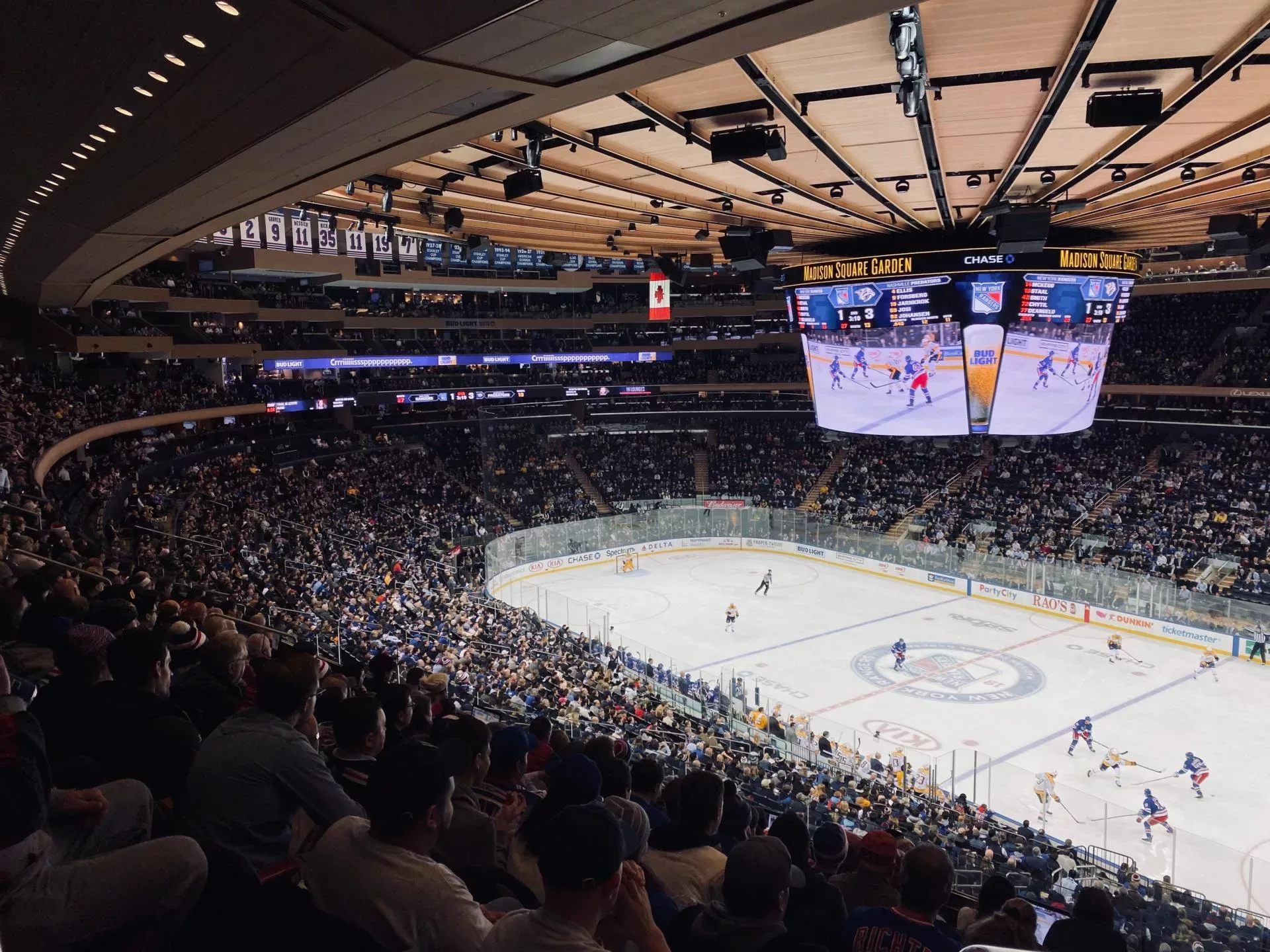
Being a professional hockey player is one of the best jobs in the world. Imagine playing the sport you love and getting paid for it. But it’s not as easy as it seems. To get to the pinnacle and stay there, players have to put in the hours, day after day.
What we see on the ice when we tune in to watch NHL stars perform is just 1% of the total. Behind the highlights, the big names, and the glitz of playoff hockey, there’s grueling hard work, a training regimen that would have most people calling for their maker.
Moving Towards Training Camp Shape
Most of the hard graft is done during the off-season. That’s because of the sheer number of games players will go through during the year; at that point, it’s about not breaking down and preserving the body for the playoffs.
In the offseason, there are three general phases of training. The first is the so-called stability cycle, where players will focus on joints, with a focus on body weights and high reps.
The second phase is known as the strength phase, where NHL players will have to do the work to build muscle for the season—high weight, low reps, all about creating that necessary mass.
Finally, in the third phase, players go for the power and explosive phase, where hockey-specific workouts prepare the player for the grueling season. This includes barbell complexes, snatches, box jumps, and heavy anaerobic training. It can take it out of the body, so NHL players will usually only focus on this cycle for a month or less.
In an example week, the days are divided into body parts. For example, an upper body Monday, a lower body Tuesday, and then a third day with lighter training, like doing yoga or a heavy stretch session.
Diet and Rest
Part of a player’s regimen is also about what happens outside of training. Players not only need to put in the hours in the gym, they also need to know when to take a break. Resting the body, getting plenty of sleep, and avoiding hard partying is key to being able to get in a good workout the next day.
In addition, players need to pay attention to their diet program. Protein and carbs are high on the priority list because of the energy requirements of both games and training. Vegetables are also essential. Of course, players should also be avoiding junk food or anything that is processed/fried.
Diet is the most grueling part of the life of a professional hockey player. Cheat days are rare, every calorie is accounted for, and everything is about having the right foods in your body to prepare for the big game. Just imagine having to cut out burgers, beer, chocolate, chips, and every other food that tastes delicious.
Example Game-Day Meal
Dietitians will give players custom food plans, including what they eat on game day. Requirements vary between players, depending on condition, age, and other factors. But there are some key points the meal needs to cover: plenty of protein and energy to last an entire NHL game.
Here’s a typical meal a pro will tuck into right before a game. The day starts with protein-rich eggs and some oatmeal. That’s your typical breakfast.
Then, for the main meal, plenty of pasta with some light sauce and a protein-rich food, like salmon. Chicken is also an option. Right before the game, another meal. For example, a small portion of salmon, green veg, and brown rice.
Do Pro Players Still Do Skill Drills?
In short, yes. Even the best players in the world need to practice their technique. It may even be that consistent practice that makes them great in the first place. It’s said that Wayne Gretzky would practice 12-14 hours per day as a young player. Most of the training would be made up of drills to improve his technique.
In hockey, stickhandling drills with and without the puck are fundamental to professional success. The idea is that the stick should become an extension of the body, the handling of the puck second nature.
Goalscorers focus on shooting picks, often staying after training for hours to improve accuracy, power, and angles. The key is in being able to deceive the goalie, making them think you’re going to do one thing, but changing the angle at the last moment.
When you see players like Bobby Orr or Mario Lemieux showing off their sets of hands, we think it’s all a gift from above. And while talent is an integral component, it’s the countless training hours these players put in that made the difference.
Sacrifice, Consistency, and Perseverance
Ultimately, it’s not the individual workouts that make an NHL player. And it’s not sticking to a diet for most of the season. No, when you’re a professional, perfection isn’t a goal, but a requirement.
NHL players are in a privileged position, sure, but it requires sacrifice. No late-night parties, no big turkey dinners, and even your family takes a backseat during the season. Consistent practice on a perfect diet, all through the year.