
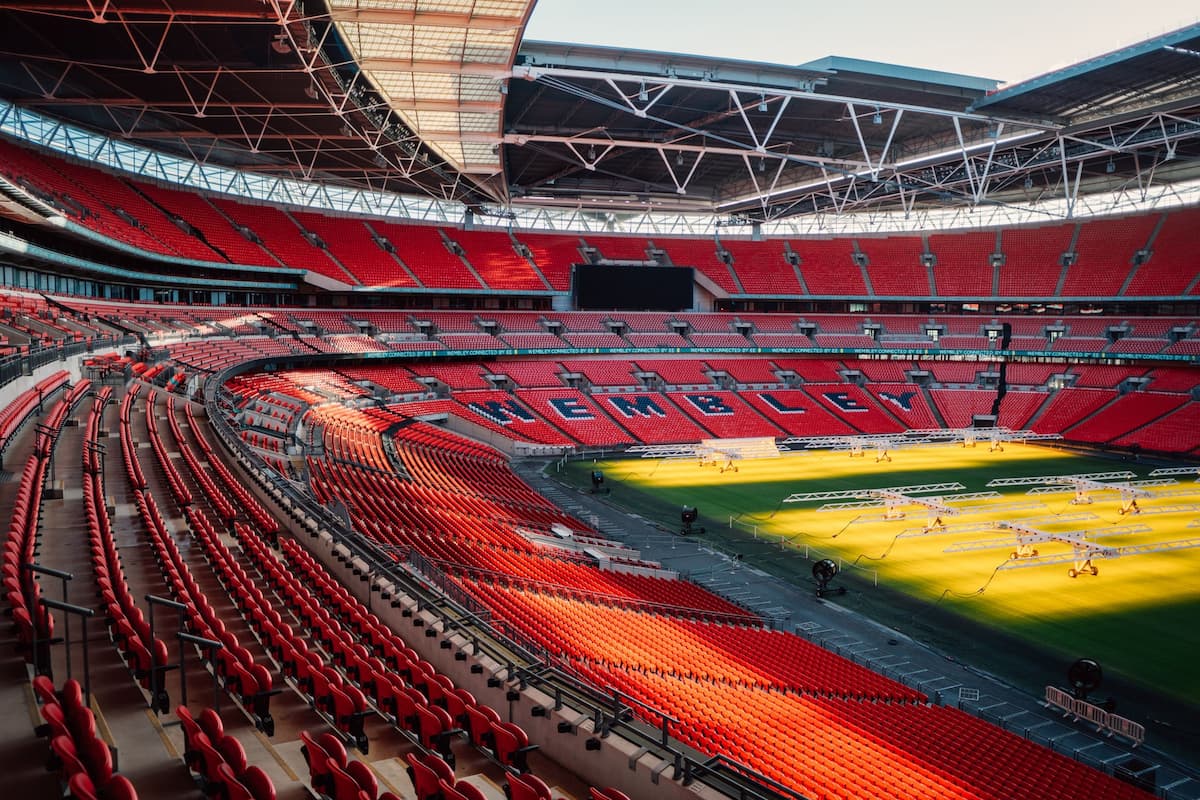
Wembley Stadium: Where Legends Supposedly Are Made
Let’s not pretend otherwise—Wembley Stadium, London, is paraded as one of the world’s most iconic sporting venues and a supposed jewel of British culture. With its towering arch and a capacity of 90,000, it’s often referred to as the Home of Football—though whether it lives up to that lofty title on every event day is a matter of some debate.
A Modern Marvel
The current incarnation of Wembley Stadium in London opened in 2007, replacing the beloved, albeit slightly dilapidated, original structure from 1923. The new stadium’s arch cuts a bold figure across the London skyline—whether one finds it inspiring or intrusive depends on taste.
Although football matches remain its bread and butter, Wembley has taken great pride in becoming a jack-of-all-trades: from Champions League finals and world-title boxing to NFL games and concerts that can be heard from half a borough away. It’s fair to say Wembley Stadium, London, has become a global entertainment hub, not just a sports venue.
The “Greatest” Match
The 2011 UEFA Champions League Final is frequently hailed (often by those who ought to know better) as Wembley’s crowning footballing moment. Barcelona dismantled Manchester United 3–1 in a display of passing artistry, led by a certain Lionel Messi in full flight. It was all awe-inspiring—if, of course, you weren’t supporting United.
For fans visiting Wembley Stadium in London that night, it remains the gold standard for how elite football can look under the famous arch.
A Goal to Remember
Few moments are trotted out with as much nostalgic fervour as Paul Gascoigne’s goal against Scotland at Euro ’96. A cheeky flick over Colin Hendry, followed by a neat volley—it’s played on loop as though no finer goal has been scored since. Apparently, this is what magic looks like at Wembley Stadium in London.
Beyond the Football Pitch
Yes, Wembley also does culture. In 1985, it hosted Live Aid, the charity concert that was watched by half the planet. Queen’s 21-minute set—featuring Freddie Mercury at his most theatrical—is relentlessly described as one of music’s all-time great performances. And fair enough, it probably was.
From pop icons to heavyweight boxers, London’s Wembley Stadium has a knack for stealing the spotlight across every genre of entertainment.
Why Wembley Matters
Wembley isn’t merely a stadium—so we’re told. It’s a “national landmark,” a “temple of sport,” and all the rest. From Club Wembley’s padded seats and polished hospitality to the roaring crowds on an event day, it promises unforgettable experiences. Whether it always delivers, of course, is another matter entirely.
Still, for visitors to London’s Wembley Stadium, the blend of atmosphere, history, and sheer spectacle makes it an essential stop on any sporting pilgrimage.
Quick Facts
- The Arch: 134 metres high—allegedly the world’s longest single-span roof, though one wonders if anyone was competing.
- Record Crowd: 89,874 at the 2008 FA Cup Final. Not quite 90,000, but close enough for a headline.
- Multi-use Venue: From NFL to boxing and beyond—London’s Wembley Stadium likes to keep busy.
Final Word
London’s Wembley Stadium isn’t just a venue—it’s a piece of British mythology. Whether you’re swept away by Barcelona’s brilliance, still clinging to Gascoigne’s glory, or humming along to Freddie Mercury’s last note, Wembley continues to offer something for everyone—particularly those with Club Wembley access and a fondness for spectacle over substance.