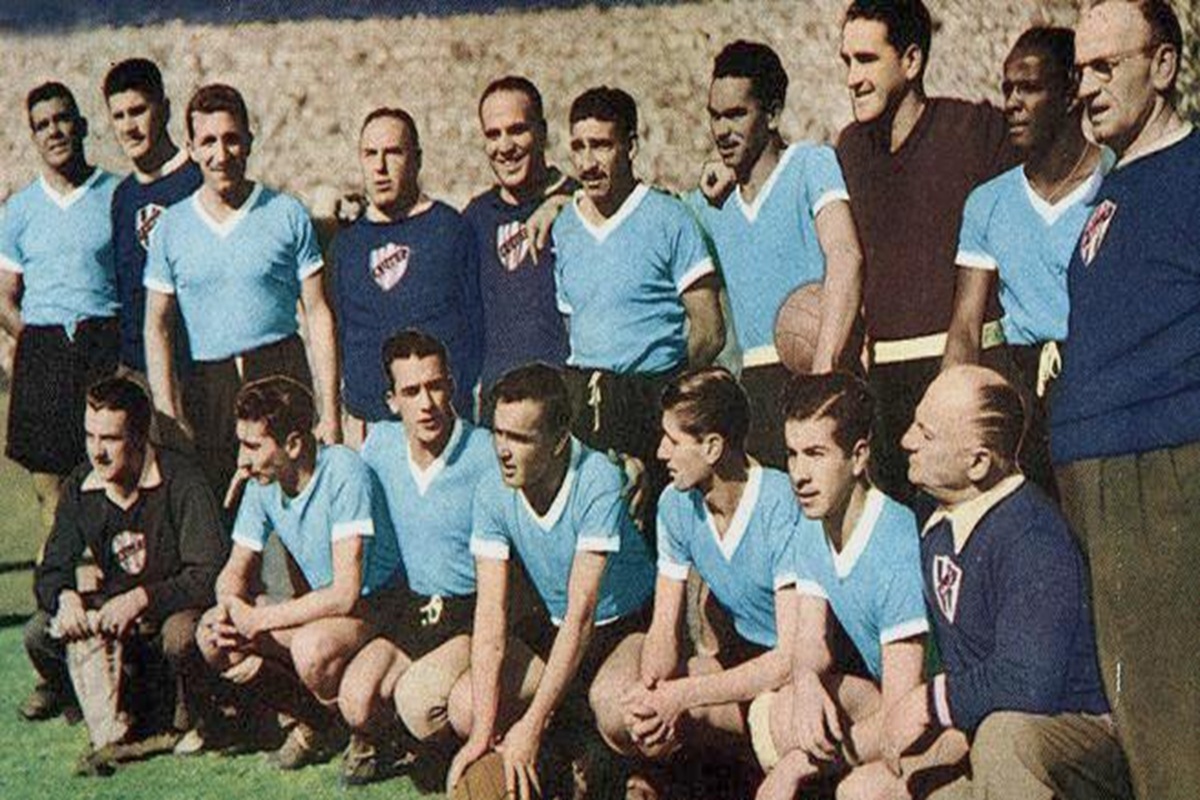
The story of Uruguay 1950 is more than a football tale; it is a symbol of resilience, belief, and national pride. The small South American nation defied all odds to win the 1950 FIFA World Cup in Brazil, creating one of the sport’s most iconic moments—known as the Maracanazo.
This article explores the Uruguay 1950 World Cup squad, their journey, strategies, and the lasting legacy that continues to inspire generations.
Setting the Scene: The 1950 World Cup
After World War II, the world yearned for unity. The 1950 FIFA World Cup, held in Brazil, marked football’s grand return. Yet, it was unlike any other. No knockout stages existed. Instead, a final group of four teams—Uruguay, Brazil, Sweden, and Spain—would decide the winner.
Brazil, the host nation, was the clear favourite. Their attacking flair, passionate fans, and home advantage made them nearly unbeatable. But Uruguay 1950 had something Brazil lacked—unshakable determination and tactical discipline.
Uruguay 1950 – Building the Squad: Uruguay’s Winning Formula
Coach Juan López Fontana led a squad that balanced experience and youth. The Uruguay 1950 team was not merely a collection of players; it was a unit built on cohesion and trust.
Key Players
- Obdulio Varela (Captain) – The fearless leader who inspired belief even in the toughest moments.
- Juan Alberto Schiaffino – A creative force, linking midfield and attack.
- Alcides Ghiggia – The winger whose winning goal in the final silenced the Maracanã.
- Roque Máspoli (Goalkeeper) – Reliable, calm, and vital in defence.
Each player knew his role perfectly. Their teamwork —both mental and tactical —sets them apart.
Uruguay 1950: The Road to the Final Round
Source: Deposit Photos
Uruguay’s journey began with a convincing 8–0 win over Bolivia. It was a powerful statement that they were ready for the challenge.
In the final round, Uruguay faced Spain first, drawing 2–2. They then fought hard to beat Sweden 3–2, setting up a dramatic final match against Brazil.
Every match displayed Uruguay’s tactical intelligence. Their strategy was simple: stay compact, absorb pressure, and counterattack.
👉 Related: The Untold Story of the Netherlands’ 1974 World Cup Run
The Final Showdown: The Maracanazo
The final match at the Maracanã Stadium in Rio de Janeiro drew nearly 200,000 fans, mostly expecting a Brazilian celebration. Newspapers had already declared Brazil champions.
However, Uruguay had other plans.
Brazil scored first through Friaça in the 47th minute. Many thought it was over. But Captain Varela told his teammates to stay calm, famously saying, “The game is not over yet.”
Uruguay equalised through Schiaffino, then, in the 79th minute, Ghiggia ran down the right wing, beating the goalkeeper to make it 2–1.
The stadium fell silent. The impossible had happened.
Uruguay had won the World Cup for the second time, creating the Maracanazo—one of football’s most shocking upsets.
Uruguay 1950 – Tactical Brilliance: How Uruguay Outsmarted Brazil
The Uruguay 1950 squad succeeded not just through passion but through intelligent tactics.
- Compact Defence: The backline stayed narrow, denying space for Brazil’s attackers.
- Counter-Attack: Fast transitions from defence to attack caught Brazil off guard.
- Leadership: Varela’s influence kept the team mentally strong under immense pressure.
These principles became a blueprint for underdogs worldwide.
The Aftermath: Shock and Legacy
Brazil was heartbroken. The loss reshaped Brazilian football forever, leading to major changes in tactics and even the team’s kit colours.
For Uruguay, the victory solidified their identity as a footballing powerhouse. It was a triumph of courage over expectation.
Even today, the Uruguay 1950 victory is celebrated as one of the greatest moments in sports history.
👉 Related: Relentless Pursuit: England’s 1966 World Cup Road to the Final
Impact on Modern Football
The lessons from Uruguay 1950 extend beyond their generation. The idea that teamwork and strategy can overcome individual brilliance remains vital in modern football.
Teams like Greece (2004) and Leicester City (2016) echo this spirit.
To explore South American football history further, see Wiki’s CONMEBOL’s archive.
Conclusion: A Legacy That Endures
Uruguay 1950 stands as a timeless reminder that heart, unity, and belief can defy the odds. Their story continues to inspire footballers and fans alike.
Even 75 years later, the echoes of that night in Rio still remind the world why football is called the beautiful game.
👉 Related: The Beautiful Game Perfected: Brazil’s Magical 1970 World Cup Journey