
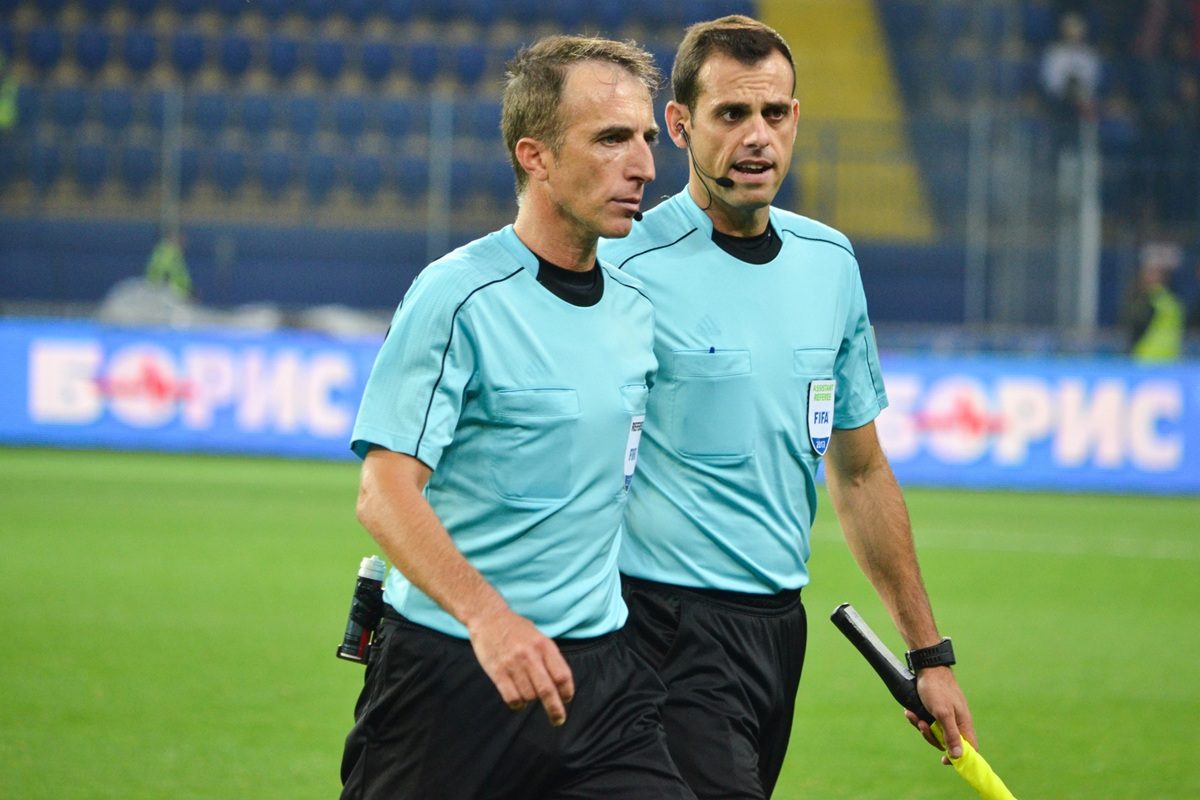
Fourth official duties in football look simple at first. Hold up the board. Watch the benches. Add a bit of order. Yet the role sits at the centre of match management. It protects the referee team and calms flashpoints early. It also keeps key processes clean, like substitutions and added time.
Fans spot the whistle, the flags, and the goals. However, the match also runs on quiet control. That control often starts on the touchline.
What A Fourth Official Is In Football
A fourth official is part of the match officials team. The referee makes on-field decisions. Two assistant referees support with offside, throw-ins, and touchline calls. Meanwhile, the fourth official works from the technical area.
Think of the fourth official as the referee team’s touchline manager. They do not usually make foul calls. Instead, they manage match flow around the benches and the halfway line. They also support the referee with information, timing help, and calm communication.
In many competitions, the fourth official acts as the link between the pitch and the outside systems. For example, they handle substitution checks. They coordinate with stadium staff when needed. They may also work with VAR protocols, depending on the league.
Where The Fourth Official Stands And What They Watch
Position matters because it shapes what the fourth official can see. Most of the time, they stay between both technical areas near the halfway line. From there, they can monitor both benches and the warm-up zones.
They watch three things constantly.
First, they watch the technical areas. That means the coaches, the substitutes, and the support staff. Second, they watch a substitution activity. That includes who gets ready, who enters, and whether the process stays legal. Third, they watch the match temperature near the benches. Small arguments can grow fast. So, early control often prevents bigger trouble.
Duties Before Kickoff
The touchline job starts long before the first whistle. A good fourth official builds structure early, so the match runs more smoothly later.
Key pre-match duties often include:
- Checking the technical areas
They confirm where each team can sit, stand, and warm up. They also help set clear boundaries with staff. - Supporting admin checks
They may assist with kit checks, substitution paperwork, and squad details. This varies by competition. Still, the goal stays the same: no surprises later. - Aligning with the referee team
They agree on signals and communication methods. They also discuss likely pressure points. For example, a derby match needs stronger bench control. - Testing equipment
They check the electronic substitution board, comms devices, and any required match tech. That matters because failures cause delays and stress.
Even simple steps help. When the fourth official sets expectations early, coaches complain less later. At least, they complain in a calmer way.
Core Duties During The Match
Once the match begins, the fourth official switches into rhythm mode. They keep processes tight. They also reduce noise for the referee.
Here are the main duties you will see again and again.
Managing Substitutions The Right Way
Substitutions look routine. However, they can break the rules quickly if no one controls them.
The fourth official usually handles:
Player identity checks
They confirm the correct player comes off and the correct player goes on. This step sounds basic, yet mistakes happen under pressure.
Entry timing
They help ensure the player enters at the right time and place. That reduces chaos. It also stops teams from gaining unfair tempo advantages.
Substitution limits and procedure
Some competitions allow a set number of subs. Others allow concussion subs, extra time changes, or special rules. The fourth official helps track this cleanly.
Using the substitution board
They display the player’s numbers on and off. This improves clarity for the crowd, the media, and the teams.
Because substitutions can change momentum, managers sometimes push for speed. However, the fourth official protects fairness. They do not rush the process just because one bench shouts louder.
Controlling The Technical Area And Bench Behaviour
This is the fourth official duty in football that most viewers miss. Yet it often decides how calm the game feels.
Bench control includes:
Keeping staff in the right zone
A manager can stand, but only within the rules set by the competition. Extra staff must stay seated or stay within defined areas.
Stopping crowding at the touchline
When three coaches stand on the line, assistant referees lose space. Also, players warming up can block sightlines. The fourth official steps in early to prevent this.
Managing dissent and abuse
Coaches argue. That is normal. Still, the fourth official sets a line. They warn first when possible. If behaviour crosses the line, they report it to the referee. That can lead to yellow or red cards for staff, depending on the rules.
Preventing confrontation
Heated matches bring touchline clashes. The fourth official often acts as a buffer. They step between groups and use calm language. They also call for support fast if a situation escalates.
This role takes people skills, not just rule knowledge. A strong fourth official can defuse drama with tone alone.
Supporting Added Time And Timekeeping
Fans talk about “time-wasting,” and coaches talk about “game management.” Meanwhile, the referee must track time accurately while making decisions.
So, the fourth official supports timekeeping by:
Noting major stoppages
Injuries, VAR checks, substitutions, and delays all add up. The fourth official helps track them in real time.
Confirming added time with the referee
Near the end of each half, the referee and fourth official align on a number. Then the fourth official displays it on the board.
Monitoring restart delays
If a team slows restarts near the benches, the fourth official can report patterns. That gives the referee stronger context for control.
Added time creates tension because it affects results. Therefore, the fourth official must stay consistent. They also need thick skin, because neither side likes the number.
Communication With The Referee Team
A fourth official does not run the pitch. However, they still influence match control through information.
They communicate about:
Bench behaviour and warnings
They tell the referee when a coach crosses a line, or when a warning should turn into action.
Nearby incidents off the ball
Sometimes a clash happens near the touchline while the referee watches play elsewhere. The fourth official can help provide details.
Crowd or safety issues near the technical area
If objects get thrown or crowd pressure rises, the fourth official alerts the referee team fast. Safety always comes first.
In modern matches, officials use headset systems. That helps. Still, communication must stay clear and short. Too much talk can distract the referee at the wrong time.
The Role In The VAR Era
VAR changed football, even for officials on the touchline. In some setups, the fourth official helps manage the human side of VAR.
They may:
Keep the benches informed on process
They do not reveal decisions. However, they can help explain that a check is happening, or that the referee is waiting for confirmation.
Control the technical area during reviews
VAR moments raise the temperature. Coaches try to influence. Players look to the bench. The fourth official keeps the area calm.
Coordinate with stadium operations
In some venues, announcements, screens, and timing all connect. The fourth official may help ensure the process runs smoothly.
Even when VAR staff work in a remote hub, the fourth official still handles the touchline fallout. That is a real skill.
Why Their Duties In Football Matter So Much
It is easy to think the fourth official just stands around. Yet matches can tip into chaos without this role.
Here is why the job matters.
It protects the match rhythm
Fast restarts, clean substitutions, and controlled benches keep the game flowing. That also improves the product for fans.
It reduces pressure on the referee
The referee cannot watch everything at once. The fourth official covers a different battlefield.
It supports fairness
When one bench breaks rules, it can influence outcomes. The fourth official stops that advantage early.
It prevents flashpoints
Many confrontations start with small disrespect. The fourth official can calm the first spark.
So, while the role feels small, the impact feels huge in tight games.
Common Myths About The Fourth Official
Myth 1: The official decides fouls
They usually do not. They can advise, yet the referee makes on-field decisions.
Myth 2: The official “adds time” alone
They support the process. However, the referee decides the final added time.
Myth 3: The official only exists for show
If that were true, coaches would ignore them. Instead, coaches test them constantly.
Myth 4: The official has no authority
They have real authority within the technical area. They can also advise the referee on sanctions.
How To Become A Fourth Official
Many people ask how officials reach this role. The path varies by country and league. Still, the general steps look similar.
Start with local refereeing
Officials learn rules, positioning, and people management at the grassroots level. This stage matters because it builds instincts.
Progress through levels with assessments
Promotion usually depends on performance reviews. Fitness and consistency matter, too.
Train with higher-level teams
As officials move up, they learn advanced match management. They also work with comms systems and more formal protocols.
Work as an assistant referee or referee
Many fourth officials have experience as referees. Some also work as assistants. That background helps because they understand what the referee needs.
Develop touchline management skills
This role demands calm authority. It also demands strong communication without ego.
If you want one takeaway, it is this: knowledge gets you in the door, but control keeps you there.
Tips For Coaches And Players Dealing With The Fourth Official
If you coach or play, you can gain small edges by working with the fourth official instead of fighting them.
Use clear requests
Ask for substitutions early. Also, send the right staff member. Confusion creates delays.
Control the technical area
If your bench behaves, you reduce warnings. You also keep focus on the pitch.
Avoid crowding the line
Give assistants space. It prevents unnecessary friction.
Pick your moments
If you need to ask about added time or substitutions, do it calmly and briefly. A long rant usually backfires.
These habits do not just help officials. They help your team stay sharp.
Where The Fourth Official Makes A Difference
A fast counter and a messy substitution
A team tries to sub while the ball stays in play. They delay entry until the right moment. As a result, the match stays fair.
A manager steps outside the technical area during the entire game
The official issues a clear warning. If it continues, they inform the referee. That support helps the referee act with confidence.
A heated derby turns into bench shouting
The fourth official separates the staff early. They also keep substitutes back. That stops a mass confrontation.
Confusion over added time
The fourth official confirms the number and displays it. That clarity reduces arguments, even if people still dislike it.
Small actions, repeated well, shape match control.
Frequently Asked Questions
Can A Fourth Official Give A Red Card?
They do not usually “show” the card. However, they can strongly advise the referee. They can also report serious misconduct from staff in the technical area. Then the referee can act.
Does The Fourth Official Talk To Players?
Sometimes. They may ask substitutes to wait. They may also calm players near the benches. Still, their main focus stays on the technical area.
Who Controls The Substitution Board?
In most matches, the fourth official controls it. In some setups, a separate operator helps. Even then, the fourth official leads the process.
Why Do Coaches Argue With The Fourth Official?
Because they are so close. Also, coaches want influence. However, a good fourth official stays calm and consistent, which reduces the value of arguing.
The Bottom Line
Their duties in football go far beyond holding up a board. The role protects order on the touchline. It supports clean substitutions and helps with timekeeping. It also shields the referee team from chaos that starts on the benches.
If you watch closely, you will spot the best fourth officials. They do not grab attention. Instead, they remove problems before they grow. That is the real skill. And in modern football, that skill matters more every season.