
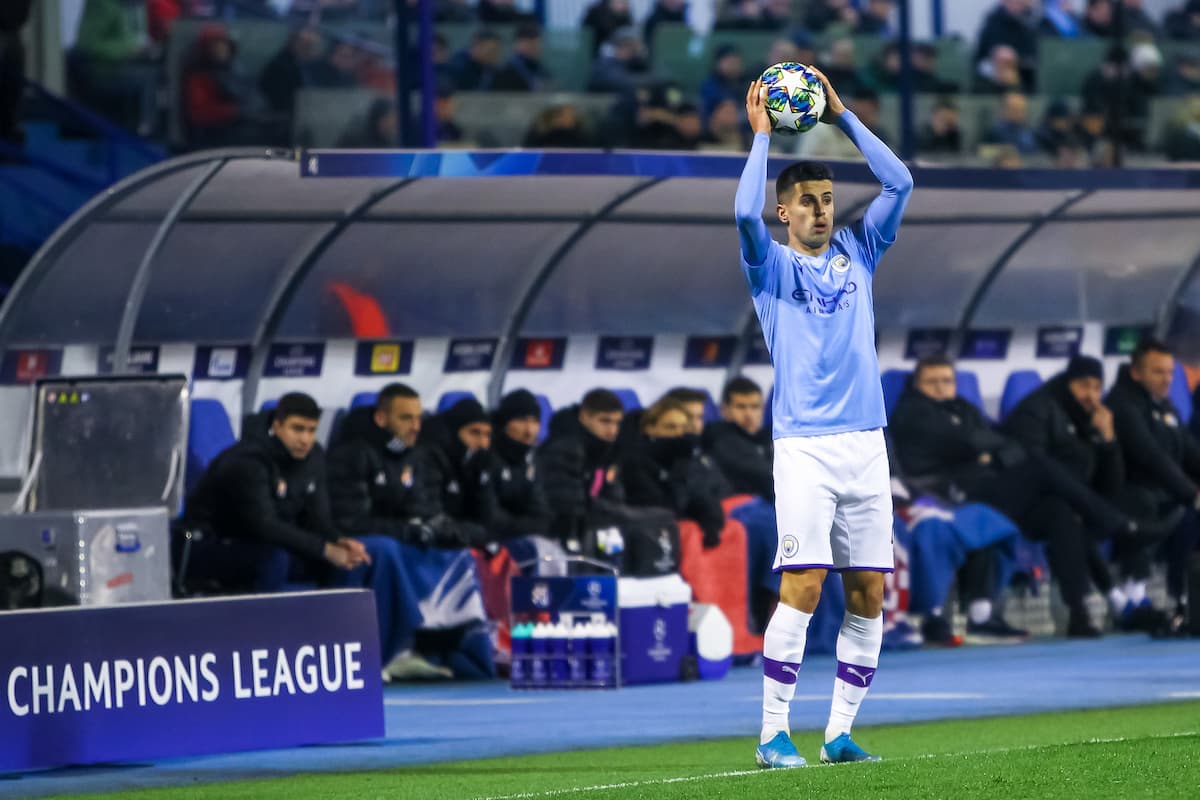
Introduced into football by Johan Cruyff at Barcelona many years ago, the inverted full-back has revolutionised football in a role many clubs use. The inverted full-back role allows a team’s right or left back to move centrally in possession to overload the midfield. For this role, the full-back will have to be confident in close, intricate play, as they will have to make a lot of short passes, but they will also have the technical ability to play through crowds.
Skills and Attributes of an Inverted Full-Back
Not only do inverted full-backs need a high footballing IQ in possession as they play through tight areas and look to get their team up the pitch, but they also need to have a strong understanding of how to transition back to their wide area of the pitch out of possession to keep their defence intact.
Historical Development
Johan Cruyff’s Introduction
Although Johan Cruyff introduced the role, his mentor, Pep Guardiola, revolutionised it. Initially used in his tenure at Bayern Munich, the role has developed in the past two seasons at Manchester City. Since Guardiola played Cancelo as an inverted full-back, many other teams have picked it up to try to outclass their opponents.
Pep Guardiola’s Innovation
This was shown by Ange Postecoglu’s Celtic team last season, Russell Martin’s Southampton, but the most important use of inverted full-backs was with Manchester City’s title rivals Arsenal this season.
Tactical Evolution in the 2023/24 Premier League Season
The biggest showcase of inverted full-backs being the way to play in the future was seen in the 2023/24 Premier League title race. Guardiola and his mentor, Mikel Arteta, have gone head-to-head for the entire season in a battle for England’s greatest prize. The third contender for the title was Liverpool, who have often used Trent Alexander-Arnold in the same role as they look to maximise his potential.
Benefits of the Inverted Full-Back Role
The biggest benefit of inverted full-backs is that they enhance the attacking prowess of the team’s midfielders, as covering their position can allow them to push higher up the pitch and offer more in the final third.
Challenges and Limitations
However, the disadvantage of inverted full-backs is that they seem to be only an accessible tactical choice for the top leagues’ top teams. This is down to the fact that teams playing this role will need to be possession-dominant, have players with the versatility and ability to defend in wide areas, and be able to play central and look natural in both roles.