
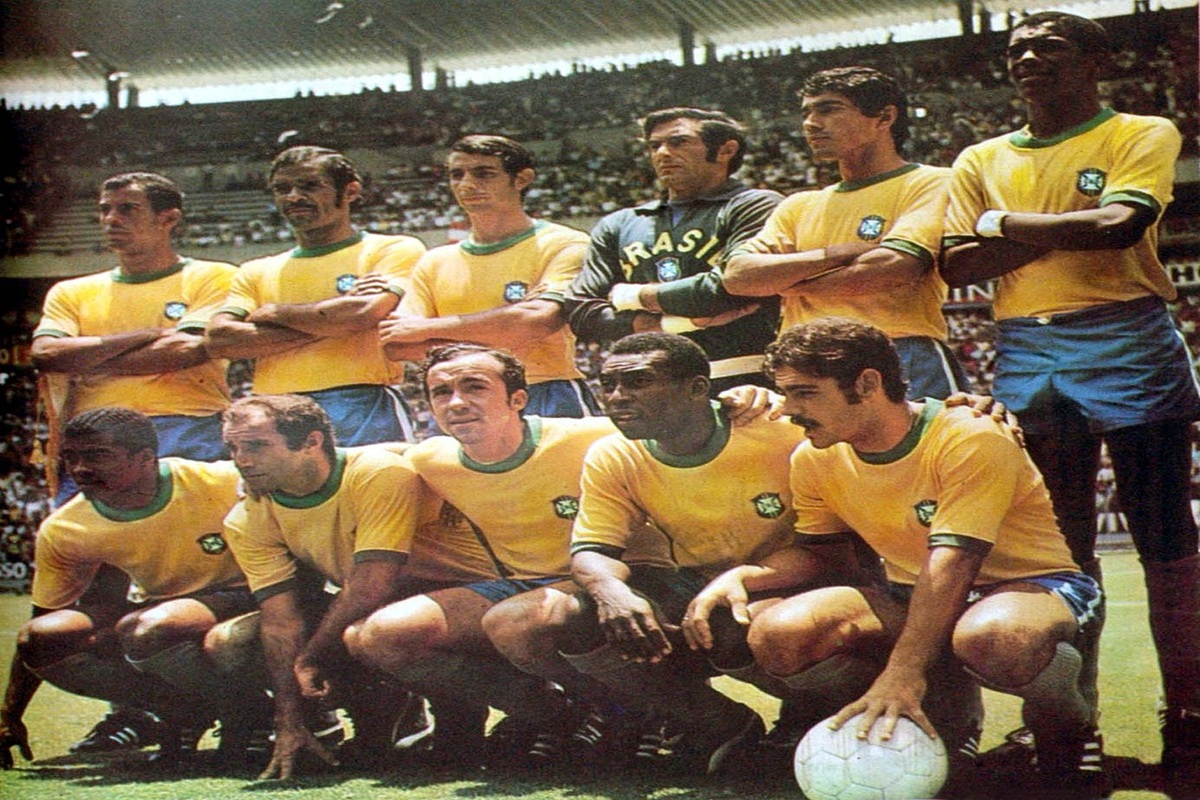
Why the 1970 Brazil Squad Still Matters
When you hear the words “beautiful football,” the 1970 Brazil World Cup squad often comes to mind. Packed with legends like Pelé, Tostão, Jairzinho, and Carlos Alberto, this team didn’t just win — they redefined the way the game should be played.
Many football historians agree: Brazil in 1970 wasn’t just the best team of that tournament. They may well be the greatest football team of all time.
A New Era for World Football
In 1970, the FIFA World Cup was held in Mexico, the first time the tournament was hosted outside Europe and South America.
This World Cup was also the first to be broadcast in colour television, giving fans around the world a front-row seat to Brazil’s dazzling style. And dazzling it was.
Meanwhile, Europe boasted strong contenders like Italy, England, and West Germany. But Brazil’s squad brought something different — a kind of magic that mixed athleticism, creativity, and flair.
Star-Studded Line-Up: Legends in Every Position
The 1970 Brazil World Cup Squad featured players who would go on to become global football icons.
Key Players
- Pelé – The only player to win three World Cups. At 29, he was at his peak.
- Jairzinho – Scored in every match of the tournament. A rare and unmatched feat.
- Tostão – The clever forward who linked the midfield and attack.
- Rivelino – Known for his powerful left foot and free kicks.
- Carlos Alberto – Captain and scorer of one of the most iconic goals in football history.
Each player had a specific role, yet they all moved fluidly across positions, demonstrating a team unity rarely seen before or since.
1970 Brazil Squad: Total Football Before It Was a Thing
Brazil played with a 4-2-4 formation, which encouraged an attacking style of play. However, it was their freedom of movement, not just formation, that stunned opponents.
The team rotated positions seamlessly. Defenders joined attacks. Midfielders covered ground tirelessly. And attackers dropped deep to help with the defence.
This style combined strength, speed, and technique — all while entertaining the world.
👉 Related: The Untold Story of the Netherlands’ 1974 World Cup Run
1970 Brazil Squad: Road to Glory
Group Stage
- Brazil 4–1 Czechoslovakia
A confident start. Pelé and Jairzinho scored, setting the tone. - Brazil 1–0 England
This match featured Gordon Banks’ save — a moment etched in football memory. Pelé’s powerful header seemed destined to go in, but Banks made what is now known as the “Save of the Century”. “I couldn’t believe it hadn’t gone in,” said Pelé afterwards. - Brazil 3–2 Romania
A closer contest, but Brazil’s firepower ensured victory.
Knockouts
- Quarter-Final: Brazil 4–2 Peru
An attacking masterclass. Brazil’s superiority was clear. - Semi-Final: Brazil 3–1 Uruguay
A rematch of the 1950 final. This time, Brazil dominated. - Final: Brazil 4–1 Italy
A perfect ending. Carlos Alberto’s thunderous goal summed it up: elegance, power, and teamwork in one move.
Gordon Banks’ Save: A Moment of Mutual Greatness
While Brazil were the star of the tournament, one of the most talked-about moments didn’t come from a goal. It went from a save.
In the match against England, Pelé rose high for a bullet header. He had already started celebrating when Gordon Banks leapt to his right and pushed the ball over the bar.
👉 Related: Relentless Pursuit: England’s 1966 World Cup Road to the Final
That save did not deny Brazil the win, but it did earn Gordon Banks’ legendary status. It also underlined the level of talent Brazil faced and overcame.
Why the 1970 Brazil Team Was So Special
Many teams have won the World Cup. But few have captured the hearts and imagination of fans like Brazil did in 1970.
Here’s why:
- Flair and Fun: They made football look joyful, almost like a dance.
- Balance: Every position had a world-class player.
- Team Spirit: Despite the individual talent, they played as a unit.
- Tactics and Fitness: They adapted to high altitude and heat better than any other team.
Long-Term Legacy
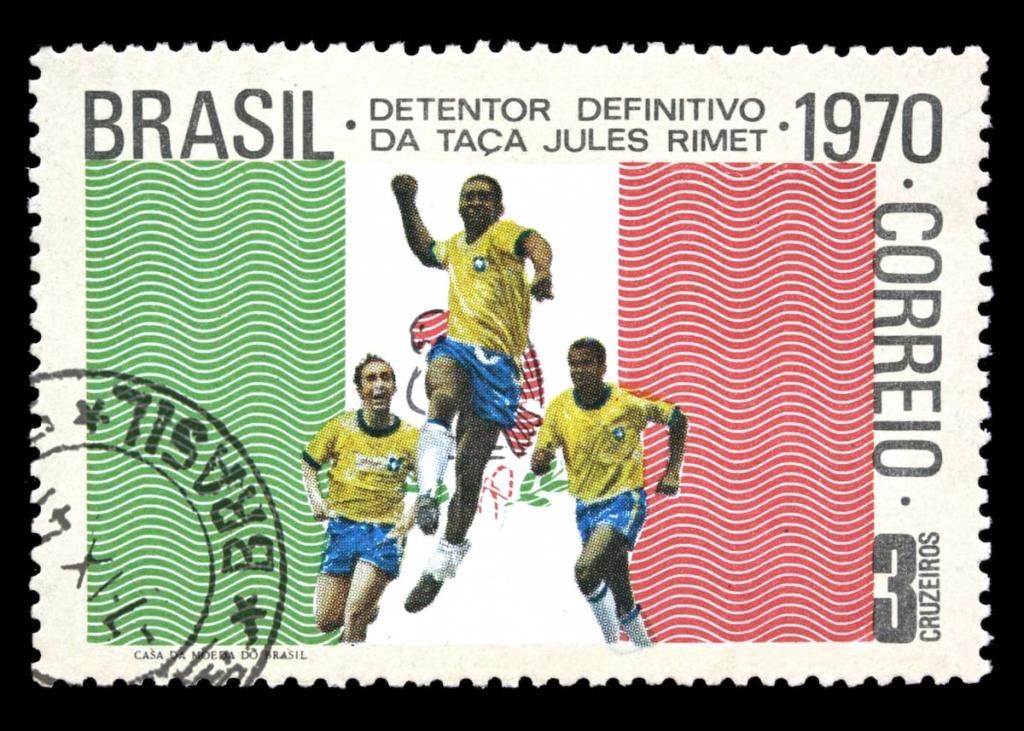
Source: Deposit Photos
The 1970 Brazil World Cup squad didn’t just lift a trophy. They left a lasting legacy:
- Influenced future generations of footballers worldwide.
- Set a benchmark for “the beautiful game”.
- Strengthened Brazil’s image as a footballing superpower.
The team also helped football evolve from a defensive game into an expressive sport. Many modern tactics still borrow from Brazil’s approach in 1970.
For a deep dive into the match-by-match breakdown, see ESPN’s full World Cup history.
Final Thoughts: Beauty, Brilliance, and Brazil
The 1970 Brazil World Cup squad wasn’t just a team. It was a statement.
A statement that football could be elegant yet effective. That creativity and hard work could go hand in hand. And that sport, at its best, is a celebration of human potential.
Over 50 years later, we still talk about this team. And probably always will.
👉 Related: Uruguay’s 1950: The Miracle That Shocked the World