
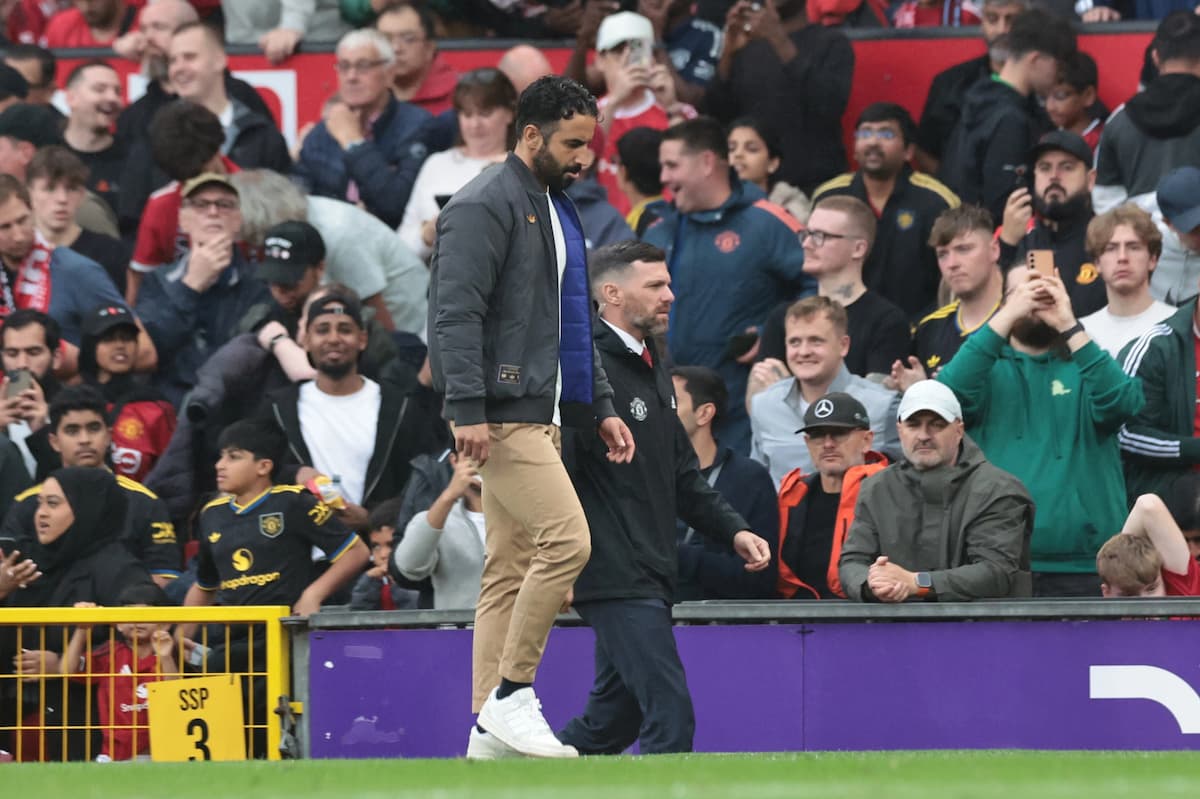
Turbulent times continue at Manchester United following the sacking of Ruben Amorim, their fifth permanent manager in 12 years. On average, a United manager now lasts little more than two seasons at the club, a statistic that underlines the instability that has come to define the post-Ferguson era.
After overseeing the club’s worst Premier League finish last season, with their lowest points tally and fewest goals scored, it was hard to imagine things deteriorating further. Yet following an away draw at Leeds and a provocative post-match interview, United’s hierarchy decided Amorim’s time was up.
In that interview, Amorim remarked, “I came here to be manager, not coach,” a statement widely interpreted as frustration with interference from above. The comment appeared to point to tensions with the club’s leadership over control of first-team decisions, transfers, and long-term direction. Rather than easing concerns, the remark seemed to underscore a growing disconnect between the manager and the board, one that ultimately proved unsustainable.
A Historic Low for Ruben Amorim
Last season proved catastrophic. Manchester United finished 15th with just 11 league wins, their worst Premier League campaign on record. European disappointment followed as they lost the Europa League final to Tottenham, handing Spurs their first trophy in 17 years.
Many believed that defeat would signal the end for Amorim. Instead, the board chose continuity, backing the Portuguese coach through the summer and into the new season.
Heavy Investment but Limited Progress Under Ruben Amorim
United’s faith was reinforced by significant spending in the transfer market. Around £215 million was invested, including the £65 million signing of Benjamin Šeško from RB Leipzig, the activation of Bryan Mbeumo’s £65 million release clause from Brentford, the arrival of Matheus Cunha from Wolves for £62.5 million, and goalkeeper Sennen Lammens from Antwerp for roughly £20 million.
Despite that outlay, United sit just four points above 14th-placed Crystal Palace. While sixth place suggests progress, the congested nature of the table paints a less convincing picture.
Tactical Stubbornness Raises Questions
A key criticism of Amorim’s tenure was his reluctance to adapt tactically. His commitment to a back three often placed heavy defensive demands on players and limited United’s attacking freedom.
That rigidity particularly affected the club’s young prospects. Both Amad Diallo and academy graduate Kobbie Mainoo struggled to thrive within Amorim’s system, which prioritised structure over individual expression. Diallo, an explosive winger by nature, saw his attacking influence reduced as he was asked to provide constant defensive cover rather than focus on his strengths in the final third.
Mainoo faced a different challenge. Despite being regarded as one of United’s brightest young talents, his skill set did not naturally align with the demands of the system. As a result, he found himself on the fringes of the first team and eventually made a public request to leave on loan in search of regular football, which was rejected.
The treatment of United’s young players drew growing criticism from supporters. Many questioned whether Amorim’s tactical approach allowed emerging talent to develop or forced promising players into roles that limited their growth.
What Comes Next?
Darren Fletcher will step in as interim manager while the club searches for a permanent replacement. Attention now turns to who would realistically take on one of football’s most pressurised roles.
Two names currently stand out. Enzo Maresca, recently departed from Chelsea, and Oliver Glasner, who has openly expressed a desire to leave Crystal Palace. Both boast impressive credentials. Glasner guided Palace to a historic FA Cup triumph last season, ending a 70-year trophy drought with victory over Manchester City. Maresca, meanwhile, delivered a Europa Conference League before guiding his side to a 3-0 win over Champions League holders Paris Saint-Germain in the FIFA Club World Cup.
Yet the question remains whether either manager would willingly step into the ongoing turbulence at Old Trafford.
For Manchester United, the cycle continues. Another manager gone, another rebuild promised, and a familiar sense that deeper issues remain unresolved.
Below you can watch Ruben Amorim’s final interview as Manchester United manager:
Great article. Really easy read with some interesting content. Ironic that he survived finishing 15th, and is now sacked when they’re 6th! Definitely a breakdown in relations after what he’d said it seems…?