
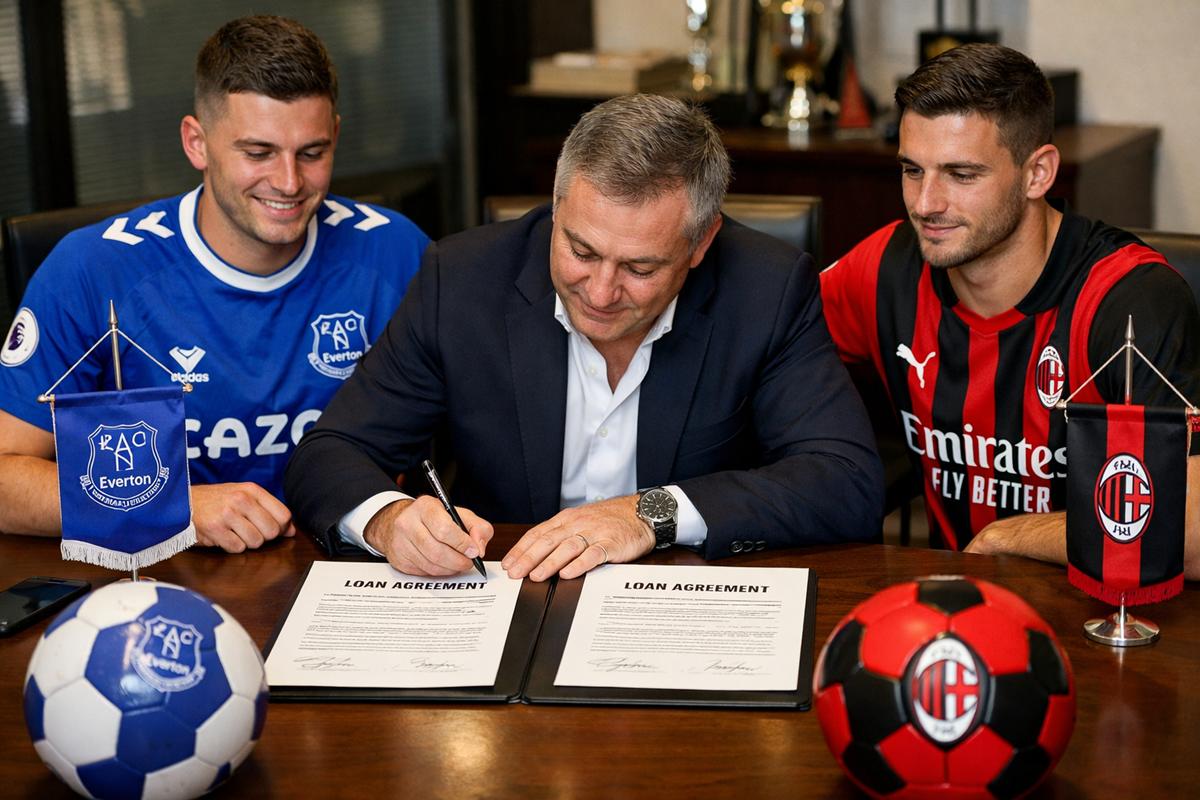
The fundamental mechanics of football loan deals
Football loan deals are a unique feature of the transfer market, allowing a player to play for a different club while remaining under contract with their parent club. Consequently, these arrangements serve as a temporary bridge for development, financial relief, or squad depth. While a permanent transfer creates a clean break, a loan establishes a three-way partnership among the player, the parent club, and the temporary host.
Initially, these deals were simple handshake agreements designed to give young players some experience in lower divisions. However, modern football loan deals have evolved into sophisticated financial instruments. Clubs now use them to navigate Profit and Sustainability Rules (PSR) or to test a player’s suitability for a league before committing to a multi-million-pound fee. This evolution is often discussed in depth within football news circles during the hectic transfer windows.
The financial structure of a temporary move
The cost of a loan is rarely just about the player’s presence on the pitch. Therefore, the financial negotiations usually focus on two main areas: the loan fee and the wage contribution. Furthermore, a parent club might demand a significant upfront payment if the player is a proven goalscorer or a high-profile international.
In many cases, the host club agrees to pay a percentage of the player’s salary. For instance, if a Premier League star earns £100,000 a week, a Championship club might only contribute 30 per cent of that figure. Meanwhile, the parent club covers the remainder to ensure the player gains valuable minutes. This synergy helps smaller clubs access talent they otherwise could not afford. Managing these budgets is a key part of modern sports management strategies.
Types of football loan deals
Not all loans follow the same template. Because every club has different objectives, several variations of the loan contract exist in the modern game.
The development loan
This is the most common form of football loan deals. Specifically, elite academies send their brightest teenagers to the EFL or abroad. The primary goal is for the youngster to experience the physical demands of professional football. For example, Harry Kane’s multiple loans from Tottenham Hotspur to clubs such as Millwall and Leyton Orient laid the foundation for his eventual rise to stardom.
The survival loan
Struggling teams often look for experienced players who have fallen out of favour at bigger clubs. During the January transfer window, these football loan deals become vital. A veteran defender might join a relegation-threatened side for six months to provide leadership. In this scenario, the parent club takes the player off its books, while the host club gains a proven asset without a long-term commitment.
The try-before-you-buy arrangement
Lately, we have seen an increase in loans with an option or obligation to buy. This allows a club to assess a player’s fitness and cultural fit before making the move permanent. If the player performs well, the host club triggers a pre-agreed fee. Conversely, if the player struggles, they simply return to their parent club at the end of the season.
Legal restrictions and Premier League regulations

Source: Shutterstock
The governing bodies have introduced strict rules to prevent clubs from stockpiling talent. For example, FIFA recently implemented limits on the number of international loans a club can facilitate. Moreover, in the Premier League, a club may loan no more than two players at any one time.
Additionally, players are generally prohibited from playing against their parent club in domestic league matches. This rule exists to prevent conflicts of interest. Imagine a striker scoring a winning goal that relegates the team that actually owns his contract. Such a scenario would create immense controversy, hence the standard “ineligible” clause found in most domestic football loan deals.
The psychological impact on players
Moving to a new city for just a few months can be incredibly taxing. Therefore, the success of football loan deals often depends on the support network provided by both clubs. Players frequently describe the “loan life” as a period of constant auditioning. They must impress a new manager immediately, even though they know their long-term future lies elsewhere.
Success stories like Martin Ødegaard at Arsenal prove that a well-timed loan can lead to a permanent home and elite performance. On the other hand, a poorly chosen move can cause a player to stagnate on a different bench. Thus, the role of agents and loan managers is crucial in selecting the right destination.
Why do clubs choose loans over permanent transfers
Financial flexibility is the driving force here. Because transfer fees are amortised over the length of a contract, a massive permanent signing has a long-term impact on a club’s balance sheet. In contrast, football loan deals are often viewed as “off-balance-sheet” expenses or short-term operating costs.
Loans provide a safety net. If a club is unsure about a player’s injury record, a six-month loan offers a low-risk trial period. Consequently, the loan market has become a tactical chessboard where managers move pieces to balance their squads without exhausting their entire transfer budget.
According to the official FIFA Transfer Matching System, the volume of international loans continues to rise annually, reflecting the globalised nature of player movement. Similarly, the Premier League Handbook outlines the specific domestic criteria that ensure fair competition among English clubs.
The future of the loan system
As regulations tighten, we may see a shift toward more strategic partnerships between clubs. Multi-club ownership models are already using football loan deals to move talent through a pipeline of affiliate teams. This ensures players remain within the same tactical ecosystem while gaining experience in different leagues.
Ultimately, football loan deals remain an essential tool for squad building. Whether it is a young prospect looking for his first professional start or a global icon seeking a fresh start, the loan system provides the flexibility that keeps the football world turning.