A New Era: Footballers in the Boardroom
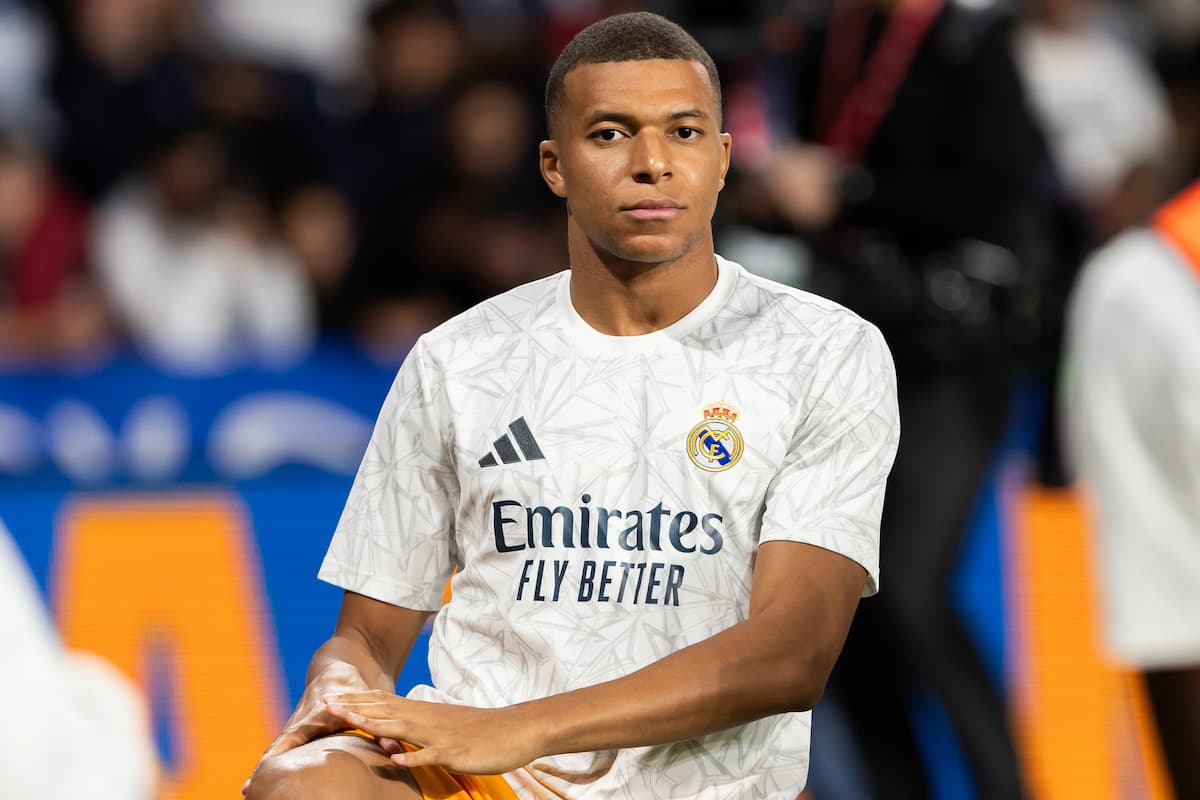
With Kylian Mbappé’s recent acquisition of Caen FC, followed almost immediately by the club’s relegation from France’s second division, a timely question emerges: Does the growing trend of active footballers purchasing football clubs enhance or hinder the game?
As more players look beyond the pitch and into boardrooms, the implications for club management, competitive integrity, and the sport’s future are becoming increasingly significant.
It’s impossible to claim outright that it’s overtly positive or negative for footballers to own clubs, but it’s possible to speculate.
The Rise of Player Ownership in Lower Divisions
The new phenomenon of ownership has led to countless footballers buying stakes in smaller, lower-division sides across the globe, resulting in differing levels of success and involvement in the club in general. Most players buying clubs are retired professionals eager to explore a new football scene.
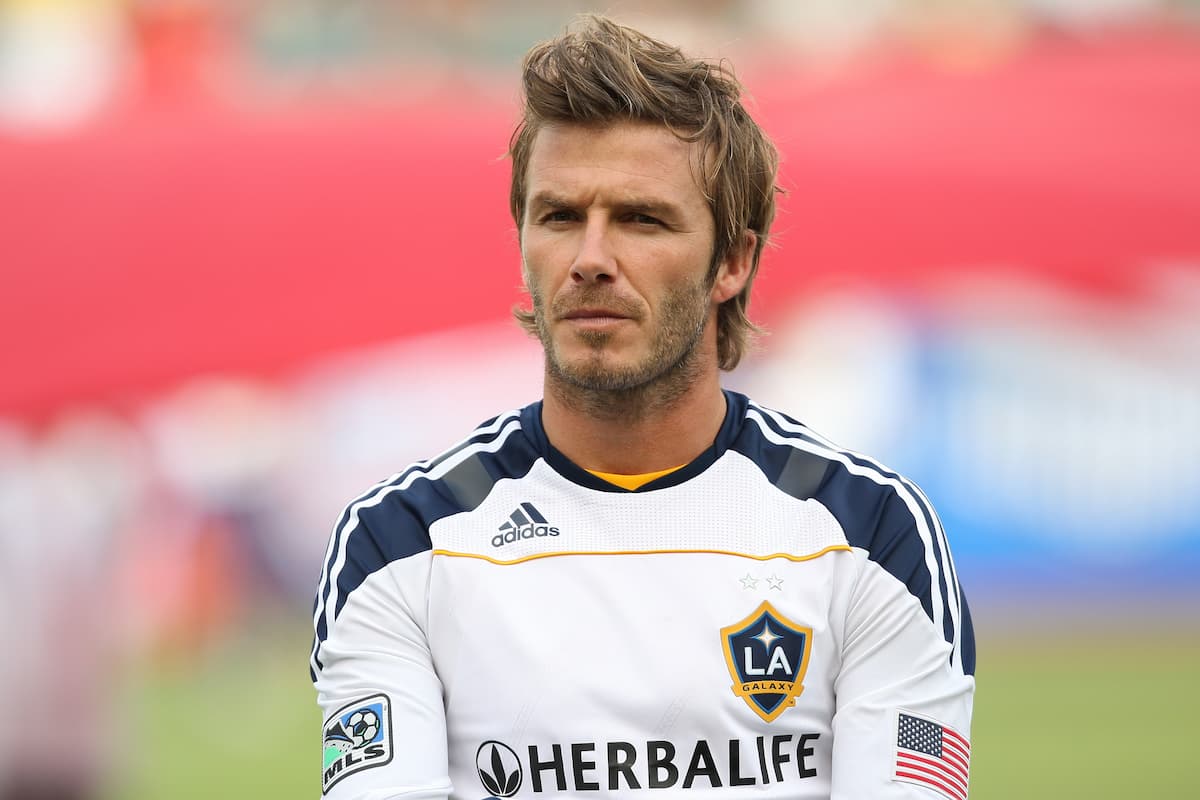
Some owners have thrived in their roles, such as David Beckham‘s purchase of Inter Miami. They have transformed the newly established team into a globally recognised and ultra-successful club in world football. He has signed mega-superstars in the form of Barcelona legends, Lionel Messi, Luis Suarez, Sergio Busquets, and Jordi Alba.
A Tale of Two Legends: Beckham vs Ronaldo
To compare success with ownership, Brazilian legend Ronaldo Nazário purchased a 51% stake in La Liga’s side, Real Valladolid, in 2018. He has since increased his share to 82%. Despite the financial support and famous ownership, Real Valladolid currently sit at the bottom of the league, in 20th position and on 16 points.
The club has confirmed relegation, with five league games yet to play. Two legendary footballers, two clubs, two very different outcomes. Other former pros such as Didier Drogba, Cesc Fabregas, Zlatan Ibrahimovic, and Paolo Maldini have majority and minority shares in football clubs worldwide, showing that it’s a rapidly growing market.
Current Players and Community-Driven Ownership
So, what does club ownership look like for current footballers in the boardroom, and is it negatively impacting football?
For many current footballers who own clubs, it’s lower league, local, community sides that have a close connection to them. Former Crystal Palace winger, Wilfried Zaha, purchased Croydon Athletic alongside rapper Stormzy. Both men grew up locally in the area and collaborated as an initiative to improve their community and increase accessibility for grassroots football in South London.
Stories like these are why football and financial support are crucial for local communities. The non-league side is currently sitting in the ninth division of English football, but with the right help and development, there’s no reason this club can’t start climbing the league ladder.
While Zaha’s club is currently ranked 12th in the Isthmian South East league, Zaha plays football for Charlotte FC in the MLS. So, how often does he show up for his team? Is there massive involvement or help from a distance?
Mbappé’s Case: Distant Ties, Lofty Ambitions
The same can be said for Kylian Mbappe’s recent 12 million euro purchase of Caen FC. However, Mbappe didn’t purchase his boyhood club, situated over 200 miles from where he was born in Paris.
Currently living and playing in Madrid, he’s not even further from Caen—1196 miles to be exact. Juggling a full-time football career and travelling around Europe in various competitions would result in him being further away from being actively involved in his new purchase.
The massive salaries that footballers make nowadays mean that their spending habits can take them anywhere—and buy them anything, and where better than on more football?
Fellow Real Madrid star Vinicius Jr also decided to continue the trend. In early 2025, he purchased a majority stake alongside an investor group in second-tier Portuguese side Alverca FC. The purchase price was reported to be around 8 million euros.
He stated that his priority for the club is to lead the way in developing young players from Portugal and Brazil. It will be interesting to see this development come to fruition in the upcoming years and whether Vinicius’s investment will improve the club.
Cautionary Optimism: Money Doesn’t Guarantee Success
There’s an extensive list beyond the clubs and players named above, and that list will only expand as the years go on and player wages double and triple. Although players are undoubtedly buying large stakes worth millions of euros that care and are dedicated to these clubs, it’s easy to suggest many are throwing money into a pool of bravado.
Many of these clubs aren’t thriving. They’re average. They’re performing decently in their leagues, and history is yet to be made.
Only time will tell if it will.
For now, it’s a bold experiment in modern football that the game will be watching closely.