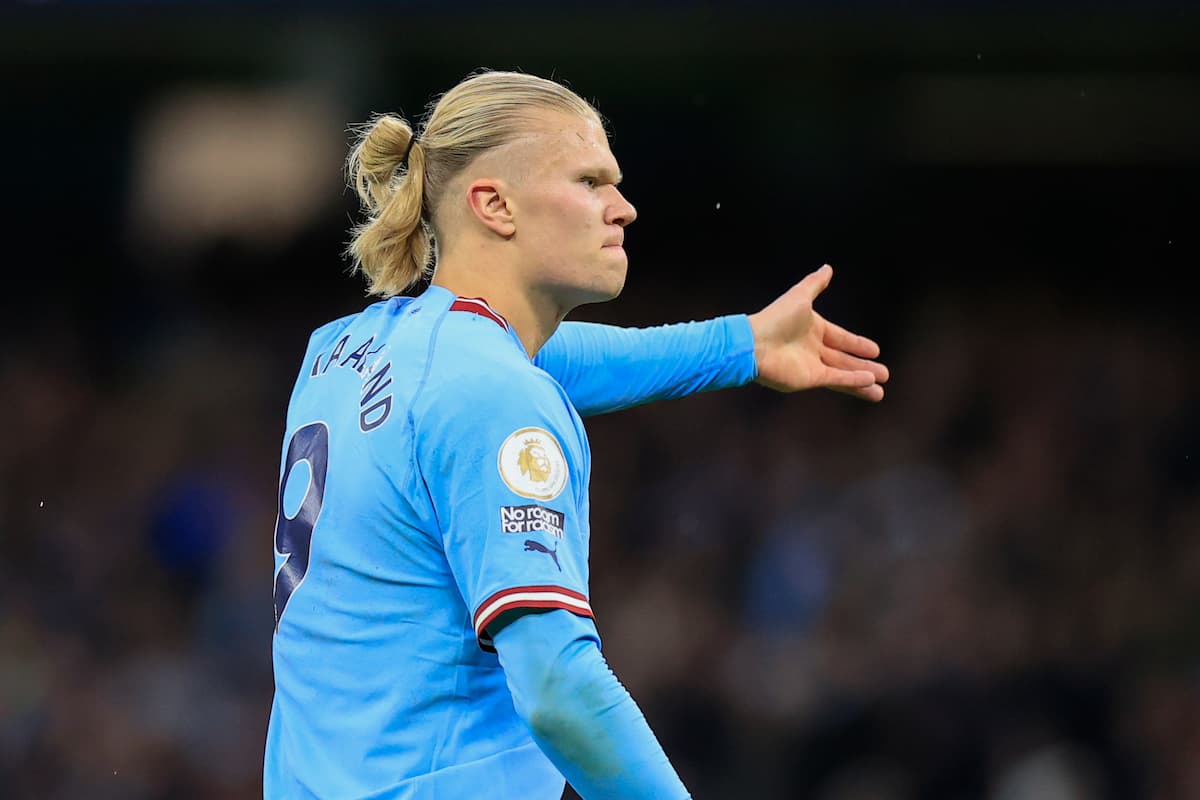
“Where are those classic footballers of yesteryears? Inzaghi, Scholes, Nesta, Raul, and many others had carved a niche in our hearts by the late ’90s and early ’00s.
Sometimes technically imperfect, sometimes lacking in physicality, but at the end of the day, being an athlete was only a secondary criterion for being a footballer during those times.
In this article, we will explore the transition of football from merely being an entertainment to becoming a sport where athleticism is paramount.
Imagine a scene where Maldini sends a long ball, which Ambrosini heads aimlessly towards the back. Inzaghi, without even having a clear view of the ball, strikes it mid-air in a seemingly haphazard manner, and scores!
No through passes, no preparatory passes, but Inzaghi had a sharp mind. He knew where everyone would be and when. The ball didn’t need to find him; he knew where it would be.
Embed from Getty ImagesHe could discern the performance drop in a defender who had an upset stomach from the previous night’s meal, because he knew… He knew everyone on the field well, studied them. He played football like a game of wits.
Football, before tactics and strategies took over, was a game of intellect. Players would size each other up, wondering who would emerge as the star of the day.
From the favelas of Brazil to the streets of the United Kingdom, players like George Best, who would take a deep puff of his cigarette just before the match, left us with unforgettable memories.
But what changed?
How did we turn football into a sport of athletes?
This transformation can be attributed to several factors, but two in particular stand out: betting and players’ desire to prolong their careers and earnings from football.
Embed from Getty ImagesStarting with the betting industry; despite its illegal status in many countries, governments have found ways to permit betting on football and selected sports. In societies where football is ingrained, you can’t simply take away betting. Bettors don’t like to base their fate on uncertainties.
They analyze every statistic of players, check their social media, know everything from their lifestyle to their equipment manager. As a result, there’s been a shift towards preferring fit, athletic players, creating a survival of the fittest scenario.
Players who aren’t up to this athletic standard are gradually phased out. Fans want to know everything about a player’s actions, diet, and contributions to the team. This curiosity isn’t solely driven by the betting industry; the internet has also played a role in fostering a desire for absolute truth.
Another factor is the professionalization of football. In the past, many footballers had other professions or chose football while working in another field.
For instance, Shaka Hislop was an engineer before becoming a professional footballer at West Ham, Miroslav Klose was a carpenter, Peter Schmeichel started as a cleaner, and Rickie Lambert worked in a beet factory before playing for Cardiff City at 34.
Football was a passion first and a source of income second. Today, however, players are more focused on maintaining peak physical condition to extend their careers and increase their earnings. The drive for more money never ends.
From thousands to millions, and millions to billions, the journey continues with relentless athleticism. Players now avoid bad habits and maintain a pristine lifestyle, hoping to secure a place in our hearts not just with their skill but their fitness too.
They may be justified in seeking more money, but in doing so, have they lost the essence of what made them beloved?
In conclusion, football has indeed evolved from the past to the present. It’s become more systematic, predictable, and more humane towards its players. But what about the enjoyment of the game? As players have become purely athletes, our viewing pleasure has diminished.
There’s no longer room for surprises on the field. The team with the best athletes often wins, rewarding those who run the most while leaving little space for unpredictability. The nostalgia for the ‘good old matches’ stems from a longing for the era when footballers were more than just athletes; they were artists of the game.”
Image Credit: Deposit Photos