
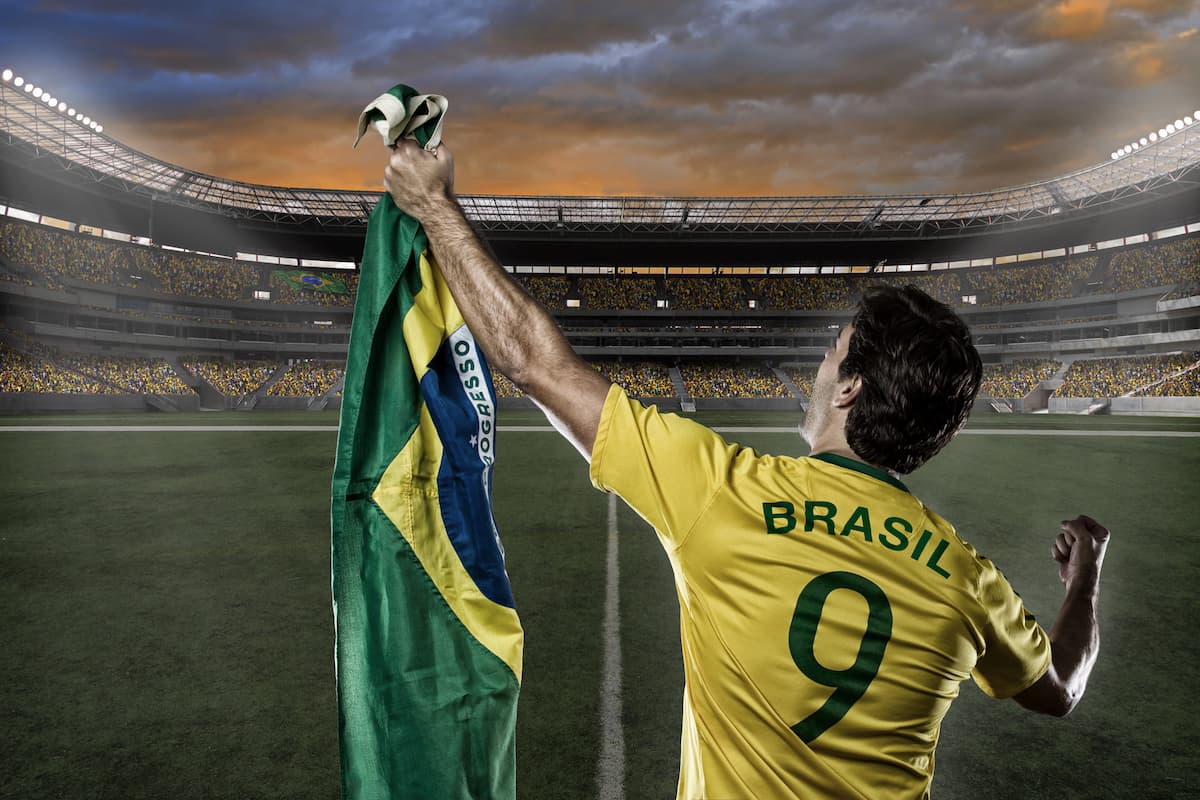
Brazil is famous for its love of football, and over the years, the country has produced many legendary teams. But one team stands out above all the rest—the 1970 Brazil national team. Many often call this team the greatest Brazil team in history. With its exciting style of play and world-class talent, this team captured the hearts of fans worldwide. Let’s explore why people still remember the 1970 Brazil team as the best.
The Greatest Brazil Team: Brazil’s Football History
Brazil has always been a football powerhouse. The national team has shown skill, creativity, and passion for the sport from its early days. Brazil won its first World Cup in 1958 and defended its title in 1962. But in 1970, the team took its game to a new level. The team boasted stars and played a style of football the world had never seen before.
The Key Players of the 1970 Team
The 1970 Brazil team was full of legendary players, each contributing something special. Here are a few of the most important players from that squad:
- Pelé: Known as one of the greatest footballers ever, Pelé was the heart of the 1970 team. He had won two World Cups before, in 1958 and 1962, but in 1970, he cemented his place in history with another outstanding performance.
- Jairzinho: Jairzinho was an unstoppable winger. In 1970, he became the only player to score in every game of the World Cup. His goals were crucial to Brazil’s success.
- Tostão: A clever forward, Tostão was known for his teamwork and vision. He helped create many chances for his teammates and scored key goals himself.
- Rivelino: Rivelino had one of the most powerful left feet in football. He was a brilliant midfielder with great dribbling skills and a deadly free kick.
- Carlos Alberto: As captain, Carlos Alberto was a leader both on and off the pitch. He is remembered for scoring a fantastic goal in the final, which showed his skill as a defender and attacker.
The Greatest Brazil Team: The Style of Play
The way the 1970 Brazil team played made them special. They had a unique style that mixed skill, speed, and creativity. Their approach was about attacking football, with quick passes and fluid movement. This style was called “Samba football” because it reflected the joy and rhythm of Brazilian culture.
The team’s play was a perfect balance between individual talent and teamwork. Each player could perform amazing tricks and moves, but they also worked together as a unit. This combination of flair and teamwork made them nearly impossible to stop.
The Road to the Final
Brazil’s journey to the 1970 World Cup final was exciting. They started in the group stage, facing teams like Czechoslovakia, England, and Romania. Brazil won all three matches, showing their dominance early on.
In the quarter-finals, Brazil faced Peru and won 4–2. Then came the semi-finals, where they played Uruguay. This match was tougher, but Brazil came out on top with a 3–1 victory, securing their place in the final.
The Greatest Brazil Team: The 1970 World Cup Final
The final took place on June 21, 1970, in Mexico. Brazil faced Italy, a strong team with a reputation for solid defence. But the Brazil team was too good to be stopped. They played with confidence and style, and Brazil won 4–1 in the end.
One of the most memorable moments from the final was Carlos Alberto’s goal. After a series of beautiful passes, Pelé set up the captain, who fired the ball into the net. It was the perfect way to end the match and secure Brazil’s third World Cup title.
Why the 1970 Team Is Still the Greatest
Many people consider the 1970 team to be the greatest Brazil team because of how well they played and the talent they had. They didn’t just win the World Cup—they did it with style, flair, and joy. Their football wasn’t just about winning but entertaining and inspiring people. This team established the standard for what Brazilian football would be known for in the future.
Even today, fans and experts still talk about the 1970 Brazil team. They revolutionised the game and revealed to the world that football could be beautiful.
Other Great Brazil Teams
Brazil has had many other outstanding teams, but none are like the 1970 squad. In 1958, the Brazil team won their first World Cup, with a young Pelé making his debut. The 1962 team repeated this success, proving Brazil’s dominance in football.
Later, in 1994, Brazil’s team won the World Cup with stars like Romário and Bebeto. Then, in 2002, Brazil claimed another title with players like Ronaldo, Rivaldo, and Ronaldinho.
While these teams were all fantastic, the 1970 team stands out because of how they played. Their football was not only effective but also exciting and joyful. This combination makes them the greatest Brazil team ever.
The Legacy of the 1970 Team
The 1970 Brazil team left a lasting legacy on the sport of football. They proved that football could be played with creativity and flair while still achieving success. Many of today’s top players, like Neymar and Vinícius Júnior, draw inspiration from the style and spirit of the 1970 team.
Brazil continues to produce talented footballers, yet the 1970 team remains unforgettable and exceptional. They brought joy to millions of fans around the world and left an indelible mark on football history.
Conclusion
The greatest Brazil team, without question, is the 1970 squad. Legendary players like Pelé, Jairzinho, and Carlos Alberto embodied football as it was meant to be played—displaying skill, passion, and creativity. They didn’t just win the World Cup but changed it forever.
Their legacy lives on, inspiring new generations of footballers and reminding us why Brazil is the home of beautiful football. When we think of the greatest teams in history, the 1970 Brazil team will always be at the top of the list.