
The Intricate Mastery of Three Rubber to Track Sports
In the realm of elite sports, three distinct disciplines — Track Cycling, Formula 1 racing, and MotoGP — emerge as high-octane pursuits that captivate audiences worldwide. Beyond the surface-level excitement of races and victories, these sports share intriguing similarities that highlight the universal elements of aerodynamics, competition, strategy, and the relentless pursuit of excellence.
In this exploration, we draw parallels between the intricate worlds of Track Cycling, Formula 1, and MotoGP, shedding light on the common threads that bind these high-performance rubber to track realms that keep audiences on the edges of their seats.
Aerodynamics: Slicing Through the Air
It’s all about saving milliseconds seconds, but this also “slices” the budget. The pursuit of aerodynamic efficiency is a defining feature that unites these three sports. In Cycling, both athletes and equipment need to be aerodynamic.
Riders skilfully navigate the velodrome, adopting aerodynamic positions and drafting behind one another using an aerodynamic kit to minimize wind resistance.
That being said, bicycle manufacturers, who have been known to work closely with F1 or high-performance car manufacturers, use wind tunnel testing, computational fluid dynamics simulations, or field testing to make sure they have the fastest and most aerodynamic bikes on the market.
An example of this is the new Lotus and Hope Track Cycling Bike that will be used by the British National Cycling team at the 2024 Olympic Games in Paris.

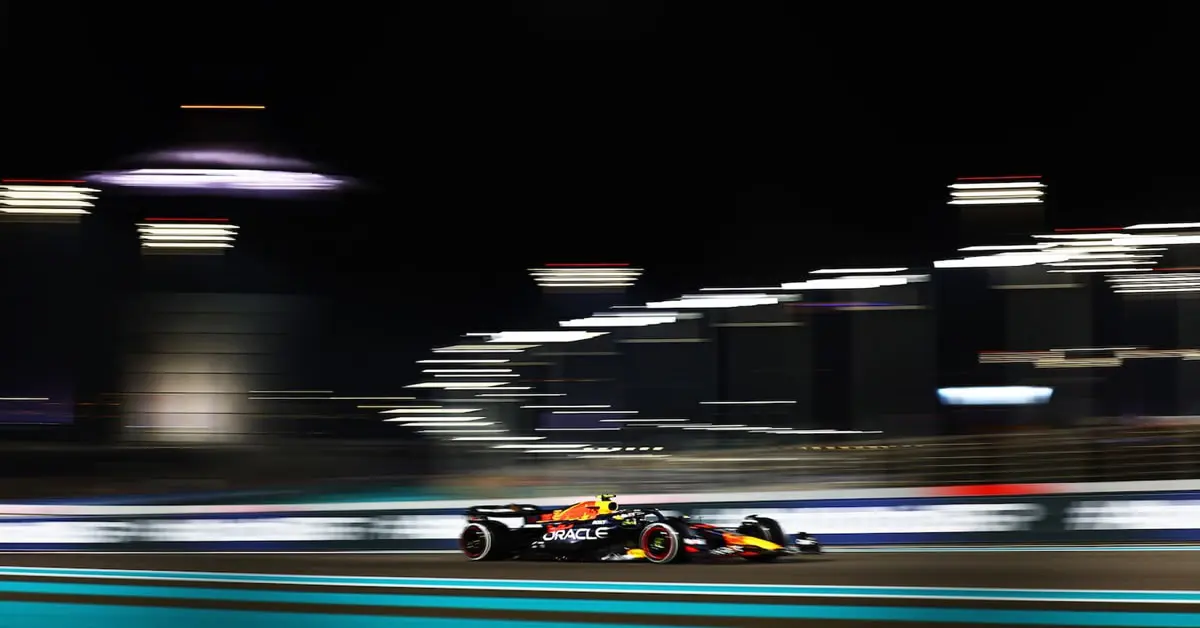
In Formula 1 teams invest heavily in aerodynamically optimizing their cars to reduce drag and generate downforce helping them keep their car glued to the track at high speeds, and in MotoGP riders adopt dynamic postures to slice through the air with precision, while their teams focus on their bikes front wing angels for optimal aerodynamics as well as forces that go with the tricky design.
The intricacy of wind-taming strategies, whether on the banked curves of a velodrome, the sleek lines of an F1 track, or the high-speed straights of MotoGP, all showcase the shared aspiration for efficiency and speed achieved through mastery of aerodynamics.
Teamwork: Even Though Only One Person Stands on the Podium
Teamwork is a cornerstone in all three disciplines. In Track cycling, team pursuit riders synchronize their efforts to achieve optimal pacing and precision, or you have domestiques make sacrifices to support their team leader.
In Formula 1, pit crews execute flawless stops to propel their drivers to victory, and in MotoGP, teams collaborate to optimize bike setup for individual riders. The unspoken camaraderie and synchronized efforts within teams create a dynamic interplay of individual skill and collective strategy, emphasizing the universal truth that success in these sports is rarely a solo endeavour.
Technological Innovations: Precision at Every Turn
The marriage of human skill and technological precision is a defining characteristic of these sports. In Track cycling, cyclists leverage advanced bike technology, aerodynamic equipment and cutting-edge technology.
Also Read: Cameron Norrie: Learn, Push Boundaries & Climb the Rankings
Within Formula 1, teams harness computational fluid dynamics, telemetry, and advanced materials. MotoGP on the other hand, riders and teams integrate electronics for real-time data bike optimization and fine-tuning bike settings. The relentless pursuit of technological innovation underscores the commitment to pushing the boundaries of what is physically possible in the quest for victory.
Endurance: Physical and Mental Grit
Endurance is a shared trait that weaves through the fabric of cycling, Formula 1, and MotoGP. Track cyclists endure gruelling, intense efforts in short bursts during events and also experience G forces of up to 2G, that’s at around 96-100km/h.
Now this doesn’t seem like a lot considering that Formula 1 drivers navigate the physical stresses of up to 6Gs caused by rapid acceleration and deceleration, and MotoGP riders tackle high-speed circuits with precision at around 5Gs, at speeds of approximately 250-300km/h for both.
Having said that, F1 and MotoGP athletes have roaring motors to reach these speeds, whereas cyclists have to use their legs to reach 100km/h. Nonetheless, the mental and physical fortitude demanded by these sports serves as a testament to the indomitable spirit of elite athletes, whether on two wheels or four.
Embed from Getty ImagesTire Management: The Curtail Balancing Act
Managing tire performance is a critical aspect. In Track cycling, riders carefully select tire types and pressures to suit specific events as well as track types, altitude and temperature. In Formula 1, teams make strategic decisions regarding tire compounds and pit stops, and in MotoGP, riders navigate the dynamic challenges of tire wear during high-speed racing.
The delicate dance of something as ‘simple’ as tire management in these sports adds an extra layer of complexity, where decisions can sway the outcome of a race all based on weather, temperature and overall track conditions.
In conclusion, in the heart-pounding worlds of professional cycling, Formula 1 racing, and MotoGP, the similarities are as striking as the differences. From the precision of aerodynamics to team dynamics, technological innovation, endurance challenges, and tire management, these sports share a common language of determination, grit, strategy, and the pursuit of excellence.
As we marvel at the athletes and teams in each discipline, let’s recognise the fascinating convergence of elements that make Cycling, Formula 1, and MotoGP a testament to the relentless pursuit of sporting greatness on different wheels and in varied arenas.
Image Credit: Getty Images / Red Bull Content Pool